
One-Quarter of Prolactinomas in Men Are Aggressive Visual Disturbances and Pituitary Hormone Deficiencies Serve as Warning Signs
Results from a multicenter study in Spain involving 41 men with prolactinomas show that 24% of these tumors are aggressive. In patients with aggressive tumors, the prevalence of visual disturbances (60% vs. 13%), TSH deficiency (70% vs. 13%), and ACTH deficiency (50% vs. 7%) was significantly higher. A stronger correlation was also observed between prolactin levels and tumor diameter in aggressive cases. These findings can aid in the early identification of aggressive tumors and inform a more aggressive therapeutic approach.

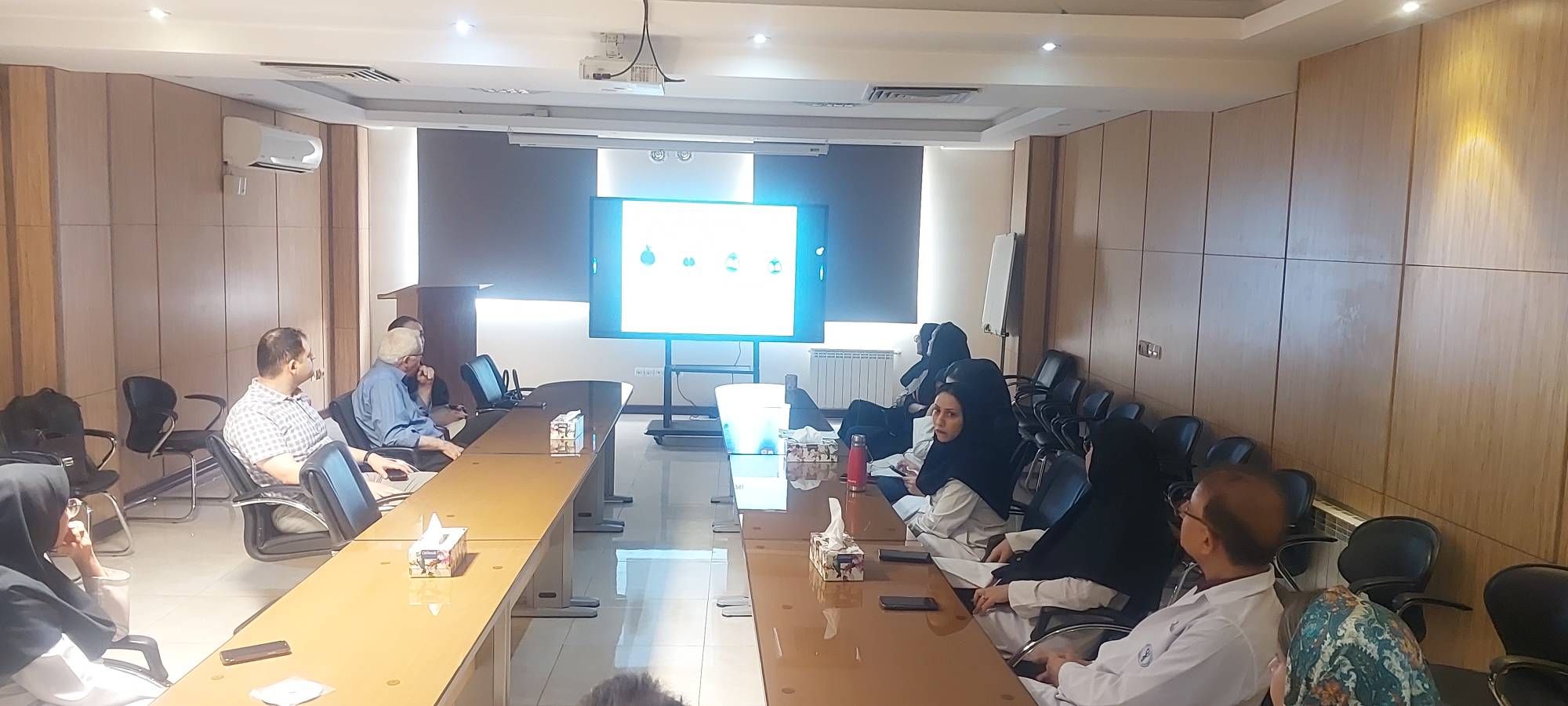
According to the Public Relations Office of the Research Institute for Endocrine Sciences, the Endocrine Research Institute's Journal Club session was held on Tuesday, July 1, 2026, with the attendance of faculty members, students, and researchers in the field of endocrinology. In this scientific session, Dr. Fatemeh Fakhri, a fellow in Endocrinology and Metabolism (subspecialty resident) , presented and critically reviewed an article from the reputable journal Scientific Reports.
Dr. Fatemeh Fakhri began her presentation by stating: Prolactinomas, or lactotroph pituitary neuroendocrine tumors (PitNETs), are the most common pituitary tumors, accounting for nearly 57% of all pituitary adenomas. Notably, these tumors are approximately 10 times less common in men than in women; however, when they do occur in men, they tend to be more aggressive, larger, and associated with poorer treatment responses.
Referring to the study's aim of identifying clinical parameters predictive of aggressiveness in prolactinomas among men, she added: This study was designed as an observational, cross-sectional, retrospective investigation conducted across three university hospitals in Galicia, Spain. Medical records of 41 male patients diagnosed with prolactinoma over the past 30 years (up to 2024) were reviewed.
This Endocrinology fellow noted that the mean age at diagnosis was 46.5 years and stated: Baseline prolactin levels in these patients were markedly elevated, with a median of 800 ng/mL. Among these patients, 95% had macroprolactinomas (tumors larger than 1 cm), and the most common clinical presentation was hypogonadism (53.7%), followed by headache (31.7%).
Dr. Fakhri emphasized: According to the European Society of Endocrinology criteria, aggressive tumors are defined as radiologically invasive lesions with unusually rapid growth or clinically significant progression despite optimal standard therapies, including dopamine agonists, surgery, and radiotherapy.
Dr. Fakhri outlined the most important findings of the study as follows:
1. High Prevalence of Aggressiveness: Of the 41 patients studied, 10 cases (24%) were classified as aggressive prolactinomas, which is higher than the 10% prevalence of aggressive pituitary tumors generally reported in the overall population.
2. Significant Clinical Differences: In the aggressive tumor group compared to the non-aggressive group:
-
Visual disturbances: 60% vs. 13% (OR 13, 95% CI 2.2–74.1; p = 0.005)
-
TSH deficiency: 70% vs. 13% (OR 15, 95% CI 2.8–87.0; p = 0.001)
-
ACTH deficiency: 50% vs. 7% (OR 14.5, 95% CI 2.1–96.0; p = 0.006)
She emphasized that these associations remained statistically significant even after adjustment for age at diagnosis.
3. Tumor Characteristics: Aggressive tumors had a larger maximum diameter (36 mm vs. 14 mm; p = 0.001) and significantly higher rates of extrasellar extension (100% vs. 38.7%), sphenoidal extension (90% vs. 38.7%), cavernous sinus invasion (100% vs. 51.6%), and bone invasion (40% vs. 3.2%).
4. Prolactin-Tumor Size Correlation: A positive correlation was observed between baseline prolactin levels and maximum tumor diameter, which was significantly stronger in aggressive adenomas (r = 0.679; p = 0.047).
Dr. Fakhri continued by discussing treatment-related findings, stating: Aggressive tumors showed greater resistance to medical therapy with dopamine agonists (70% vs. 22%; p = 0.003) and required higher weekly cabergoline doses (2.9 mg vs. 2.1 mg; p = 0.005). These patients also underwent surgery (80% vs. 16%) and postoperative radiotherapy (40% vs. 6.5%) significantly more frequently.
She added: In one patient, the tumor progressed to pituitary carcinoma (metastatic tumor), which was associated with a high Ki-67 proliferation index of 22% and a somatic mutation in the CDKN2A gene; however, the patient's death was attributed to respiratory sepsis rather than tumor-related complications.
This Endocrinology fellow acknowledged the study's limitations, including its retrospective design, relatively small sample size (particularly in the aggressive group), and limited availability of pathological data. She stated: Despite these limitations, this study contributes valuable information to the relatively limited evidence on clinical predictors of aggressiveness in prolactinomas, with a particular focus on male patients. The direct comparison between aggressive and non-aggressive tumors in this subgroup, along with a relatively long follow-up period (median 10 years), provides meaningful insights into clinical outcomes.
Dr. Fakhri concluded by emphasizing: Based on the findings of this study, markedly elevated prolactin levels—closely correlated with tumor diameter—along with visual disturbances and TSH/ACTH deficiencies should raise clinical suspicion of aggressive disease. Early recognition of these signs can help guide more aggressive treatment strategies and closer monitoring of these patients.
She expressed hope that future studies with prospective designs and multicenter collaborations involving larger sample sizes will validate these findings and refine the clinical predictors of aggressiveness in prolactinomas.








.jpg)

comment