
Endocrinology Research Institute Diagnostic Laboratory From Reopening in 2018 with 130 Square Meters of Space to Collaboration with 3 Patient Associations
Dr. Arezoo Asadi, Director of the Diagnostic Laboratory at the Endocrinology and Metabolism Research Institute of Iran University of Medical Sciences, in an interview with the Institute's Public Relations Department, elaborated on the background, structure, service areas, educational and research activities, and human resource composition of this center. According to the information provided, the laboratory began its activities in 1969 and was reopened in 2018 after obtaining official authorization from the Ministry of Health and receiving approval from the Deputy of Treatment of Iran University of Medical Sciences, in a space of 130 square meters across two floors. Services are offered in 11 specialized departments, including Biochemistry, Hormonology, Immunology, Genetics, and Medical Bacteriology. The laboratory collaborates with 3 patient associations (Gabric, Mahak, and MS Society) and has so far conducted 4 specialized training courses, including Quality Control, Cell Culture, ELISA, and Immunohistochem
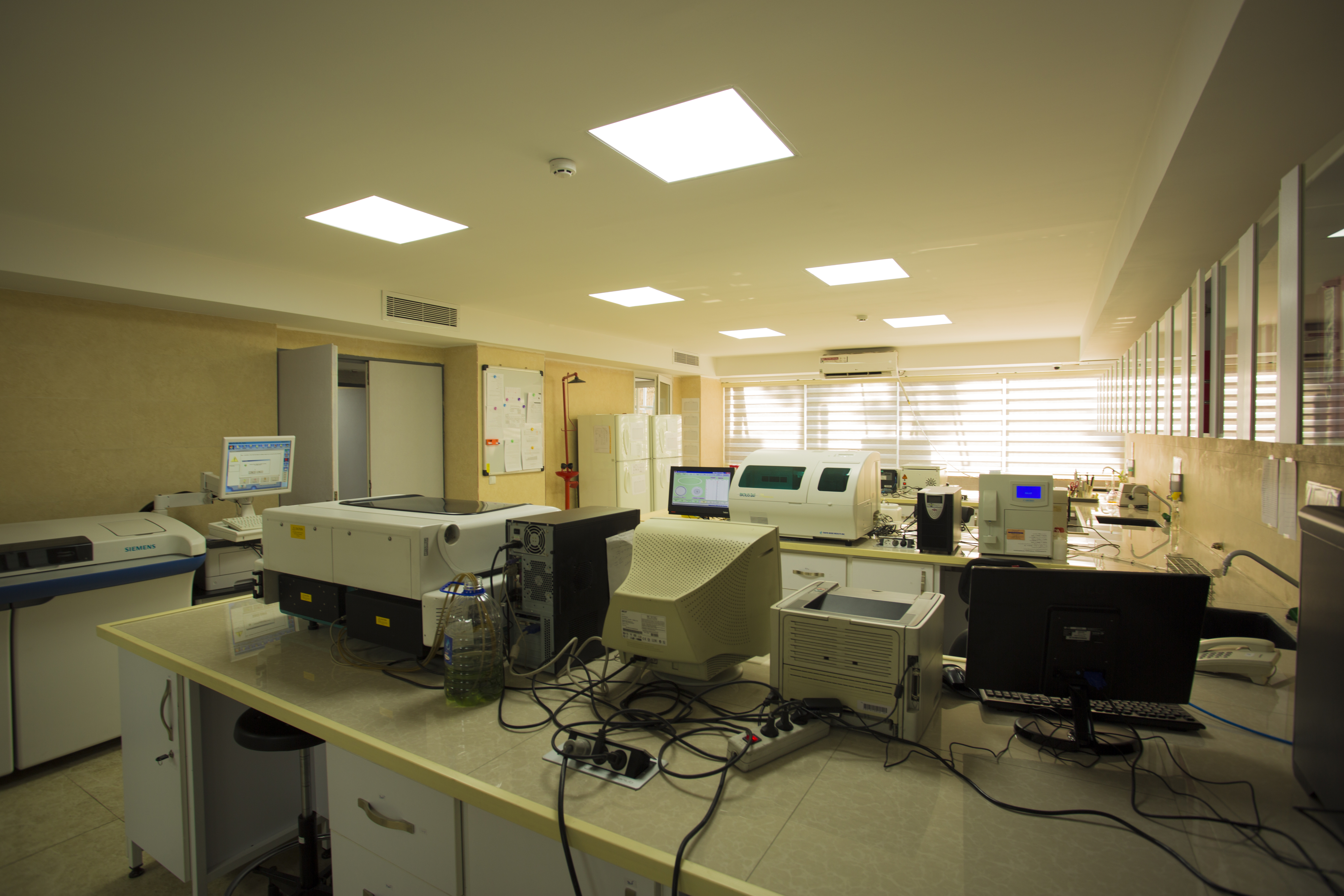
According to the Public Relations Department of the Endocrinology and Metabolism Research Institute of Iran University of Medical Sciences, the Diagnostic Laboratory of this institute, as one of the specialized and scientific units of the institute, with a history of more than five decades, has long played a key role in providing diagnostic services, supporting academic research, and training specialized personnel. The center began its activities in 1969 at the Institute of Endocrinology and Metabolism, with the efforts of a group of distinguished and pioneering faculty members of Iran University of Medical Sciences. In 2017, concurrent with the elevation of the institute to a research center and with the support of the center's president and the deputy for research, the scientific structure of the institute was developed. Finally, in 2018, following the receipt of official and specialized authorization from the Ministry of Health and Medical Education and approval from the Deputy of Treatment of Iran University of Medical Sciences, the laboratory was reopened in a space of 130 square meters across two floors with a specialized, experienced, and committed team, and since then, it has continued its growth trajectory with strength.
Dr. Arezoo Asadi, Director of the Diagnostic Laboratory at the Endocrinology and Metabolism Research Institute of Iran University of Medical Sciences, in an interview with the Public Relations Department of this institute, referring to the history of the center's establishment, stated: "The laboratory started its work in 1969 at the Institute of Endocrinology and Metabolism. In 2017, with the elevation of the institute to a research center, the structure of the institute was developed, and in 2018, after receiving the necessary authorization from the Ministry of Health and approval from the Deputy of Treatment of the university, the laboratory resumed its activities in two floors with an area of 130 square meters and a specialized team. Since then, in addition to diagnostic services, the laboratory has served as a platform for research projects and graduate theses, playing an effective role in the development of academic research."
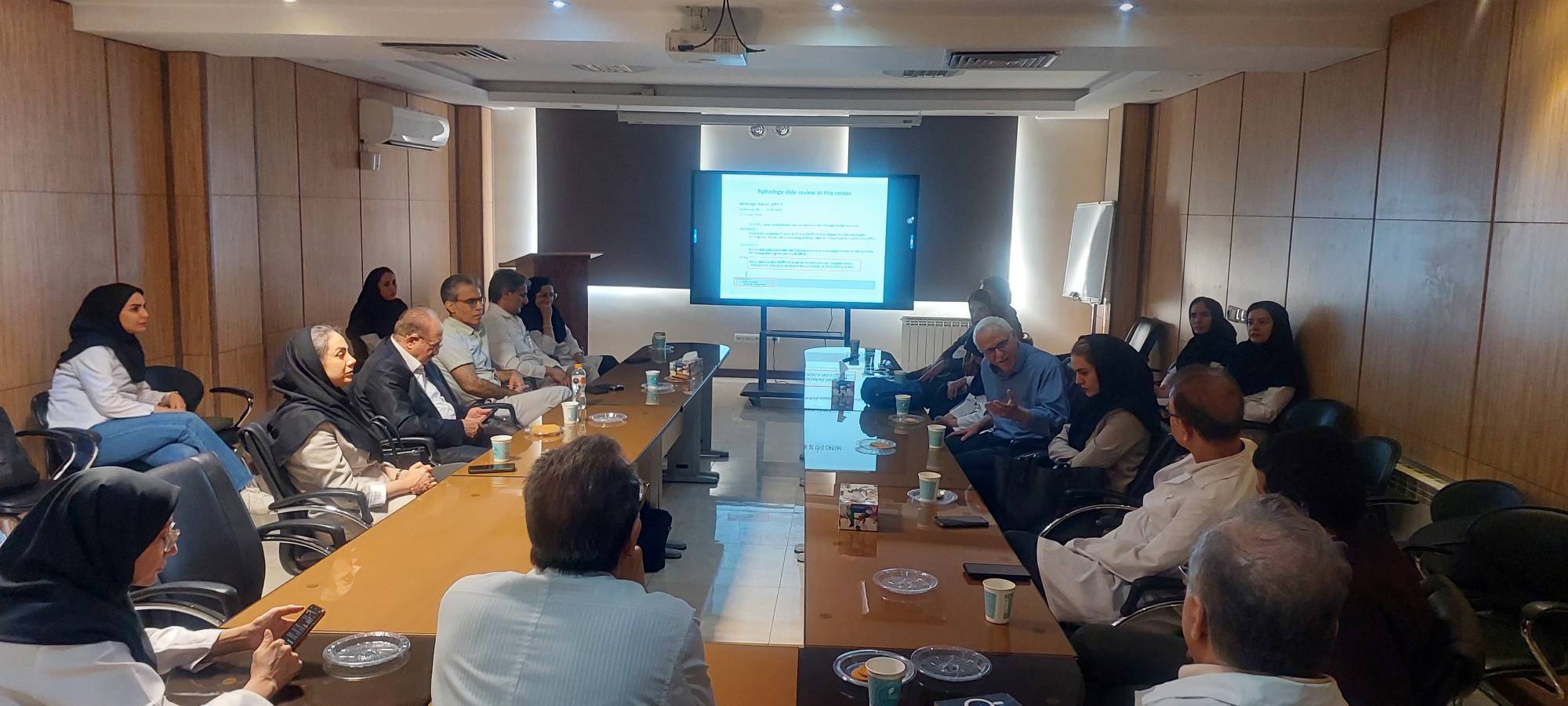
Regarding the integration of diagnostic services with research and educational activities, she explained: "In this laboratory, diagnostic services are offered alongside research and educational activities. Over the years of activity, participation in research projects and theses of students in medical and basic sciences has provided the context for collaboration among specialists, faculty members, researchers, and laboratory experts. Part of the achievements of these collaborations has been published in the form of scientific and research articles, resulting from effective interaction among the scientific and executive groups of the institute. This integrated approach has enabled the connection between clinical needs, laboratory diagnosis, and fundamental research questions."
The laboratory director commented on the methods and equipment used: "This center utilizes modern methods and appropriate laboratory equipment. The laboratory has cooperated with public and private hospitals and laboratories, universities, and healthcare centers. Additionally, members of the scientific staff and experts have participated in international scientific congresses and events through lectures and poster presentations, bringing the latest scientific findings to the institute. These scientific interactions have provided a platform for continuous updating of knowledge and diagnostic methods in the laboratory."
Dr. Asadi further referred to the educational activities of this center and added: "The laboratory has so far conducted 4 specialized training courses, including quality control courses for diagnostic laboratories, specialized webinars on cell culture, ELISA training, and immunohistochemistry training. These courses have been well-received by students, researchers, and experts. Also, in collaboration with the Ministry of Health's Reference Health Laboratory, it has been active in 3 areas: diagnostic laboratory checklists, tumor markers, and the introduction of the new LLMDA laboratory method. These collaborations demonstrate the scientific standing of this institute at the national level and its interaction with reference institutions in the field of health."
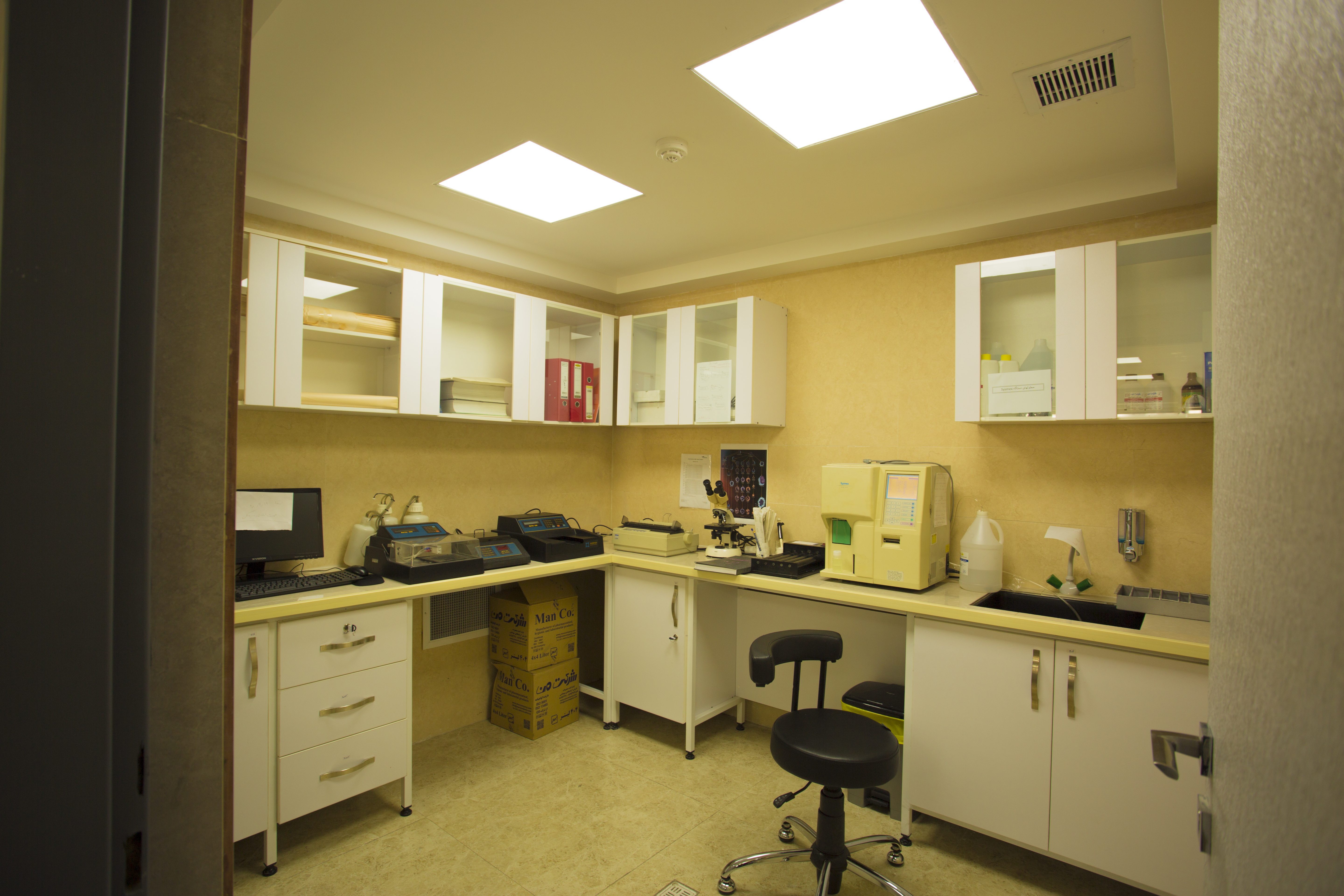
Regarding the various departments of the laboratory, she explained: "Laboratory services are provided in 11 specialized departments, including reception and reporting, sampling, sample separation and preparation, referred samples, blood and urine biochemistry, hormonology, hematology, coagulation, immunology, genetics, medical bacteriology, and quality assurance. These services are offered at government rates and covered by basic insurance to enable access for various segments of society. The laboratory also collaborates with 3 patient associations — Gabric (Diabetes), Mahak, and the MS Society — to facilitate access for patients with special conditions, and this is considered part of the social and humanitarian approach of this institute."
At the end, Dr. Asadi introduced the laboratory's human resources and said: "The scientific and executive staff of the laboratory consists of 1 Director, 3 Specialists, and 5 Laboratory Science Experts, as follows: Dr. Arezoo Asadi – Laboratory Director, Dr. Ali-Akbar Delbandi – Immunology Specialist, Dr. Maryam Eghbali – Genetics Specialist, Dr. Sadra Tehrani – Biochemistry Specialist, Setareh Shamardani – Laboratory Science Expert, Mohammad Mehdi Adeliyan – Laboratory Science Expert, Mohammad Hassan Kalantari – Laboratory Science Expert, Mahdieh Zare – Laboratory Science Expert, Fatemeh Fattahi – Laboratory Science Expert. The presence of these colleagues alongside each other is the main asset of the institute for continuing the scientific path and providing services to patients and researchers."


.jpg)

comment