
From Heart to Liver: Novel Diabetes Drugs Offer Dual Wings of Protection for High-Risk Patients
At the weekly Journal Club of the Endocrinology and Metabolism Research Institute, a comprehensive meta-analysis encompassing over 5.3 million diabetic patients was reviewed. The findings, presented in a PDF file, demonstrate that GLP-1 receptor agonists (GLP-1 RAs) and SGLT-2 inhibitors not only improve glycemic control and cardiovascular outcomes but also significantly reduce the risk of hepatocellular carcinoma (HCC) and non-HCC liver-related events. In contrast, DPP-4 inhibitors were associated with an increased risk of non-HCC liver-related complications. The session was well-received by faculty members and students alike.

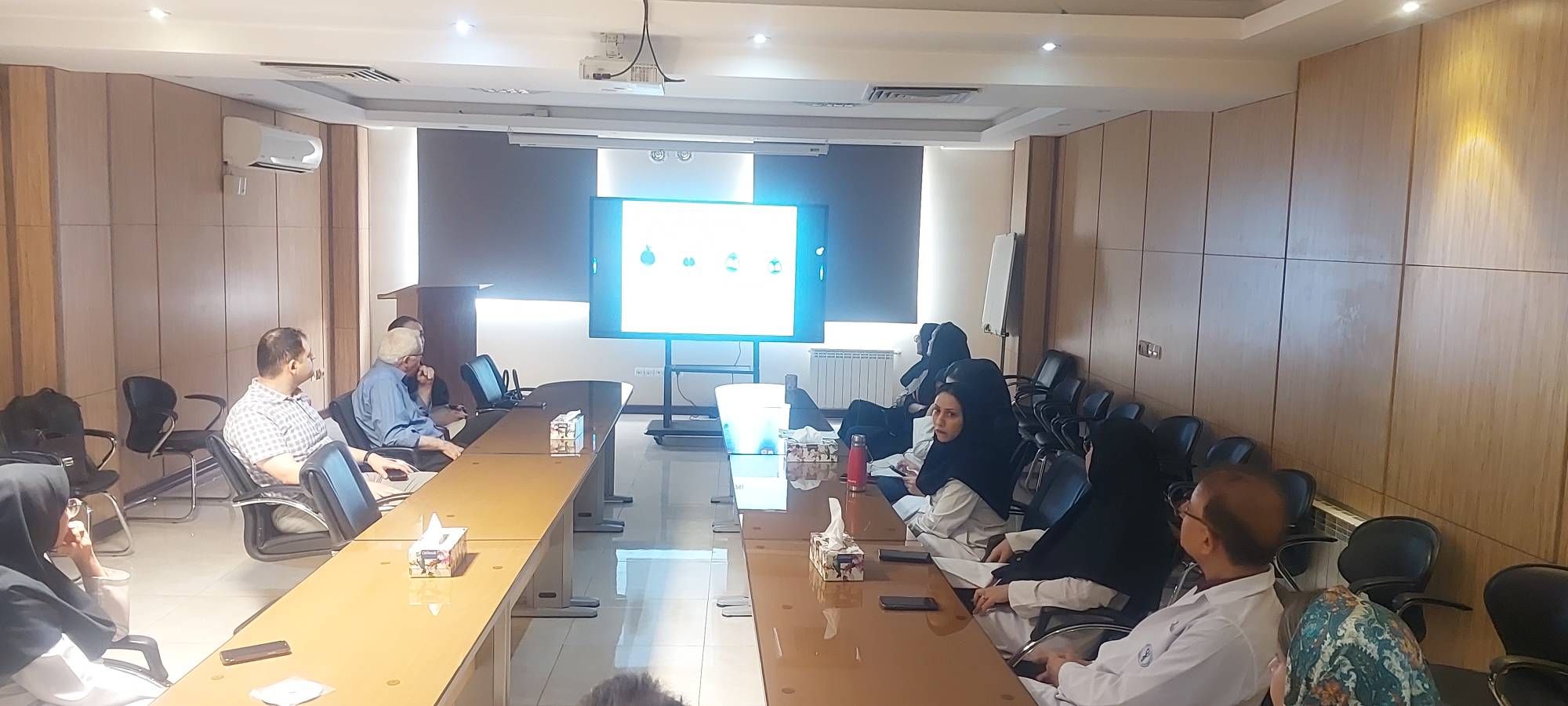
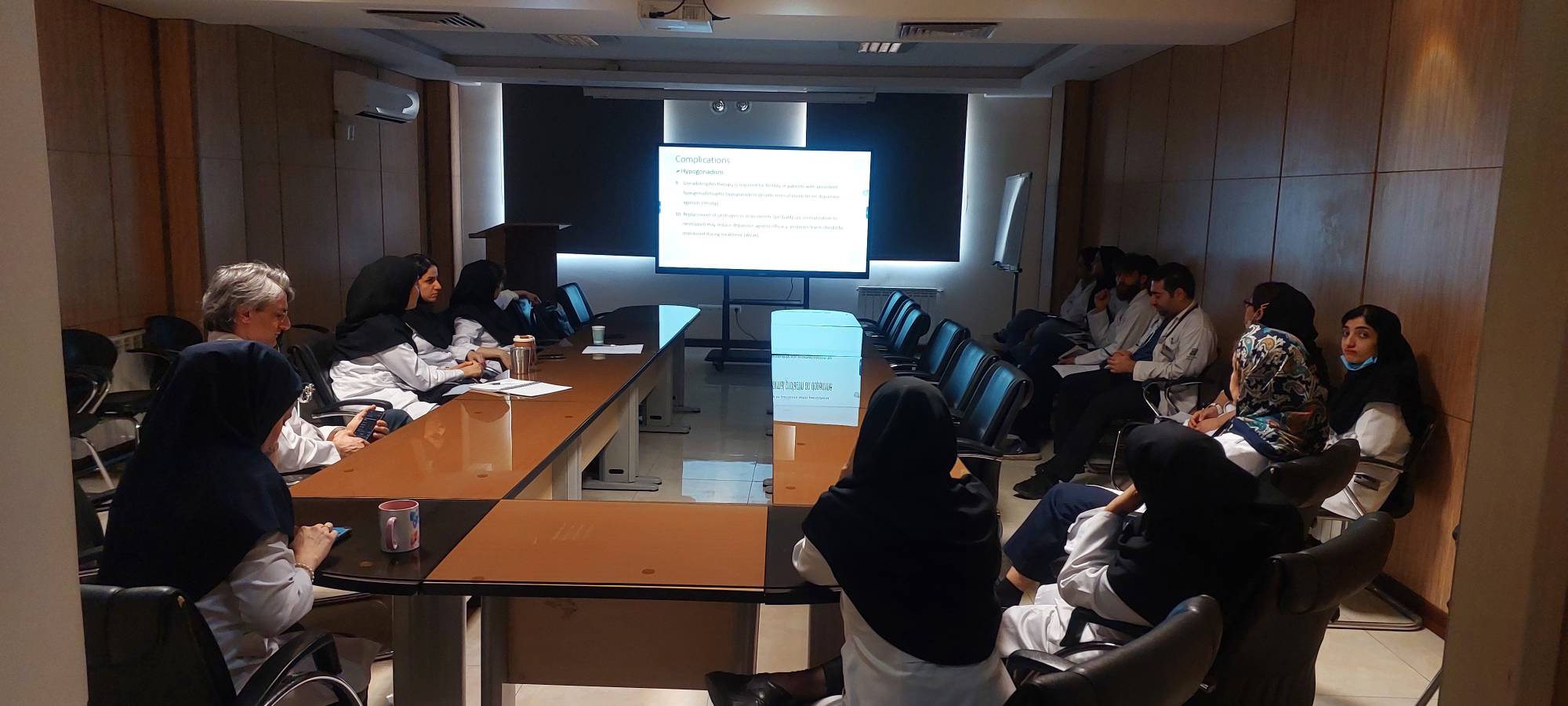
According to the Public Relations Office of the Endocrinology and Metabolism Research Institute, Iran University of Medical Sciences, the weekly Journal Club session of the Institute was held on Monday, August 18, 2026 (corresponding to 25 Mordad 1405), with the attendance of faculty members, postgraduate students, and endocrinology fellows in the Institute's conference hall.
In this scientific meeting, Dr. Sara Bazgiri, an endocrinology and metabolism subspecialist, presented and critically appraised a systematic review and meta-analysis published in a prominent international journal. The scientific content was compiled in a PDF file containing explanatory slides, statistical tables, forest plots, and subgroup analyses, which was distributed to attendees and served as the basis for discussion.
Dr. Bazgiri opened the session by highlighting the high prevalence of metabolic dysfunction-associated steatotic liver disease (MASLD) in patients with type 2 diabetes (approximately 70%). She stated: "Given that steatotic liver disease can progress to steatohepatitis (MASH), cirrhosis, hepatocellular carcinoma (HCC), and ultimately liver-related mortality, evaluating the hepatic effects of antidiabetic medications is of paramount importance. Today's meta-analysis, conducted on over 5.3 million patients, precisely addresses this knowledge gap."
Citing the slides in the provided PDF, she added: "This meta-analysis, conducted according to PRISMA guidelines with a comprehensive search of PubMed, Embase, Web of Science, CINAHL, and Cochrane CENTRAL databases up to May 31, 2025, evaluated three major novel drug classes: GLP-1 receptor agonists (GLP-1 RAs), SGLT-2 inhibitors, and DPP-4 inhibitors. Inclusion criteria comprised adults with type 2 diabetes who were new users of these agents and had a comparator group. The primary outcomes were incident HCC and non-HCC liver-related events (including cirrhosis and hepatic decompensation)."
Dr. Bazgiri then presented the key findings using the corresponding charts and stated: "The results of this meta-analysis indicate that GLP-1 RAs significantly reduce the risk of HCC by approximately 23% and non-HCC liver-related events by about 21% compared to DPP-4 inhibitors. SGLT-2 inhibitors were also effective in reducing both outcomes. Conversely, the DPP-4 inhibitor class not only showed no protective effect against HCC but was also associated with an increased risk of non-HCC liver-related events—a finding that, according to the PDF slides, may be explained by potential mechanisms such as increased portal vascular resistance and venous thrombosis."
Regarding the subgroup analyses detailed in the PDF, she noted: "In the subgroup of patients with type 2 diabetes and chronic liver disease (e.g., hepatitis B, hepatitis C, or cirrhosis), GLP-1 RAs significantly reduced the risk of hepatic decompensation by 21%, whereas DPP-4 inhibitors were paradoxically associated with an increased risk of decompensation in this same subgroup. Furthermore, in the network meta-analysis, SGLT-2 inhibitors ranked first for both outcomes."
The endocrinology subspecialist then discussed the strengths and limitations of the study: "Key strengths include the exceptionally large sample size (over 5.3 million patients) and robust sensitivity analyses, which confirm the methodological solidity of the findings. However, limitations—such as the observational nature of all included studies, moderate-to-high heterogeneity, and potential residual confounding—underscore the urgent need for prospective randomized controlled trials."
Concluding her presentation, Dr. Bazgiri emphasized: "The core message of this study, as elegantly illustrated in the PDF, is that when selecting an antidiabetic agent for patients at high hepatic risk, we must look beyond glycemic control and cardiovascular protection. The hepatic protective or deleterious effects of these drugs should also be considered. GLP-1 RAs and SGLT-2 inhibitors appear to be preferable options for this patient population, though the final choice must always be individualized and made by the treating physician."
The Journal Club session continued with an intensive question-and-answer segment on interpreting meta-analytic graphs and the clinical applicability of the findings to the Iranian population, as well as a discussion on the feasibility of designing prospective local studies. The session lasted approximately two hours. In closing, attendees expressed their appreciation for Dr. Bazgiri's comprehensive presentation and emphasized the importance of continuing such sessions focusing on up-to-date articles and clinically relevant meta-analyses. The PDF file was made available to faculty members and researchers for further reference.










.jpg)

comment