
Monthly Pituitary Meeting Held at the Endocrinology Research Institute with Focus on Resistant Tumors and Diagnostic Challenges
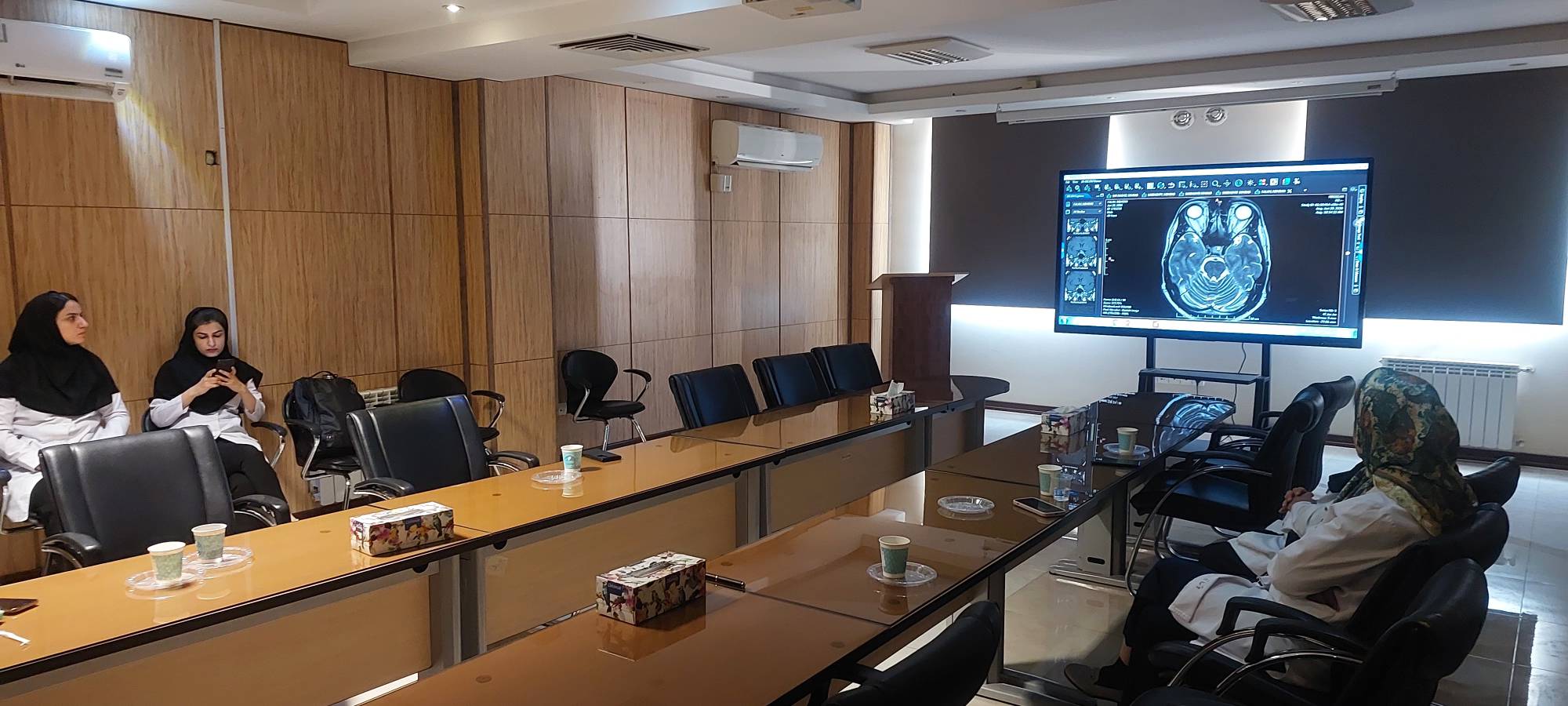
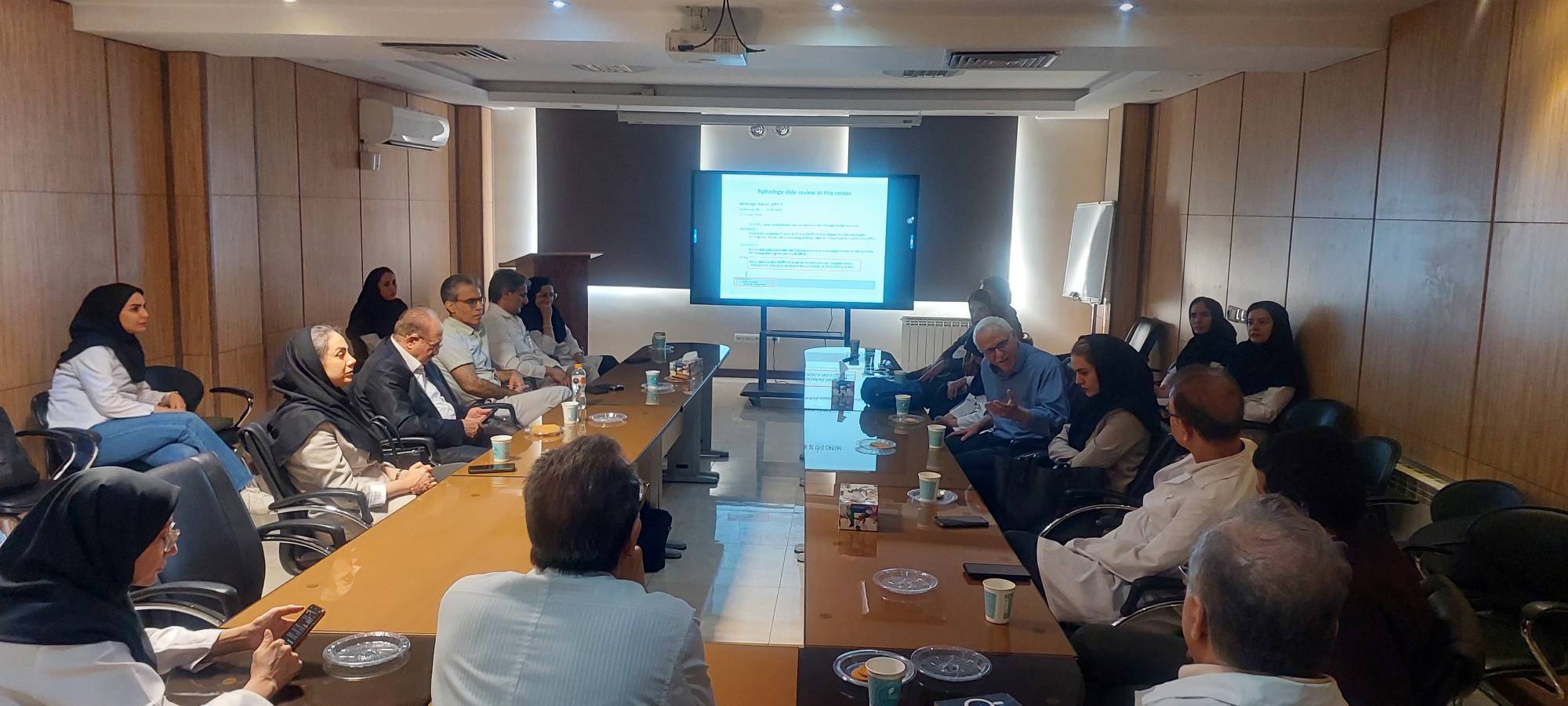
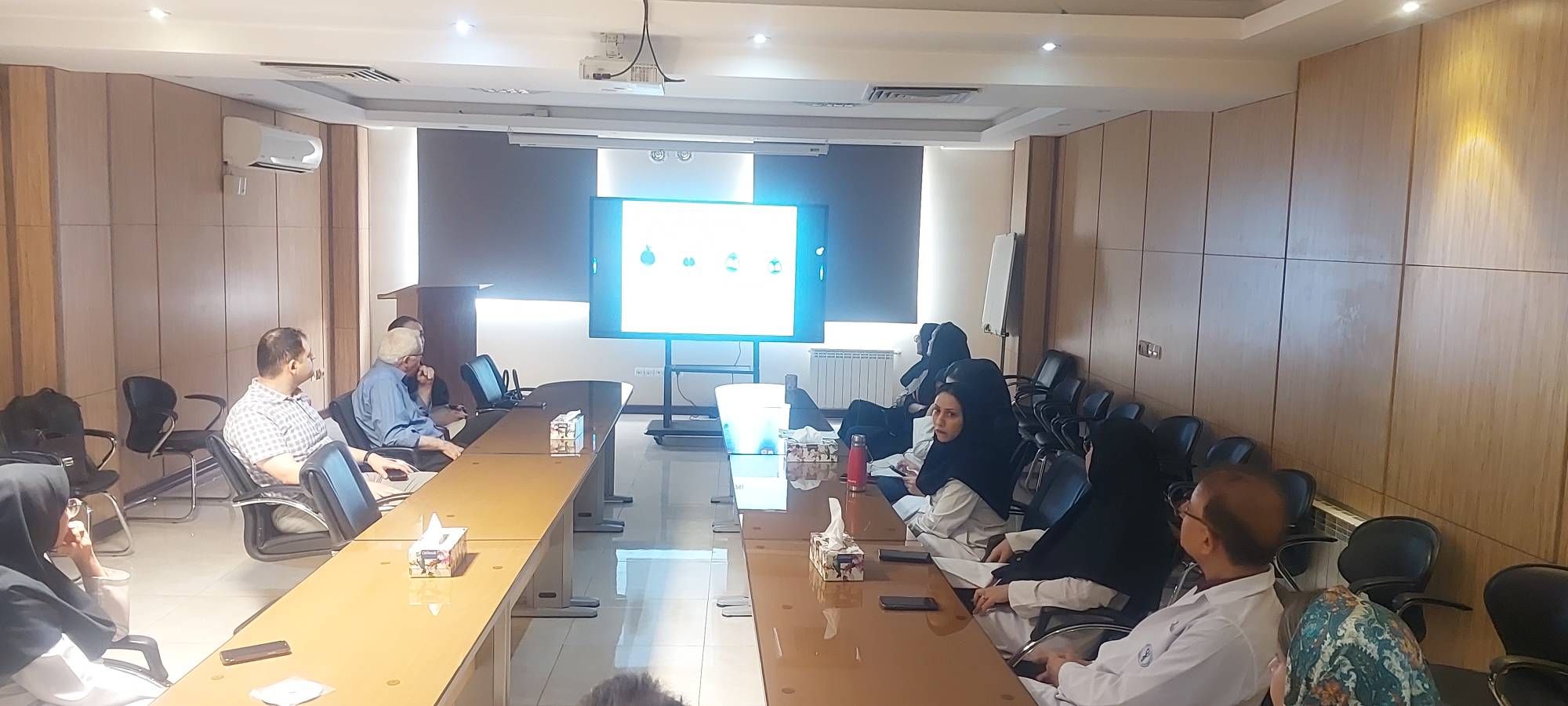
The Monthly Pituitary Meeting of the Endocrinology and Metabolism Research Institute was held on Monday, July 27, 2026, with the attendance of faculty members, students, and specialists in pathology, radiology, and nuclear medicine. At this session, Dr. Zahra Noori, an endocrinology and metabolism subspecialist, presented three complex clinical cases including resistant prolactinoma, silent corticotroph adenoma, and pituitary incidentaloma, and elaborated on the latest international guidelines from leading global societies for managing these conditions.
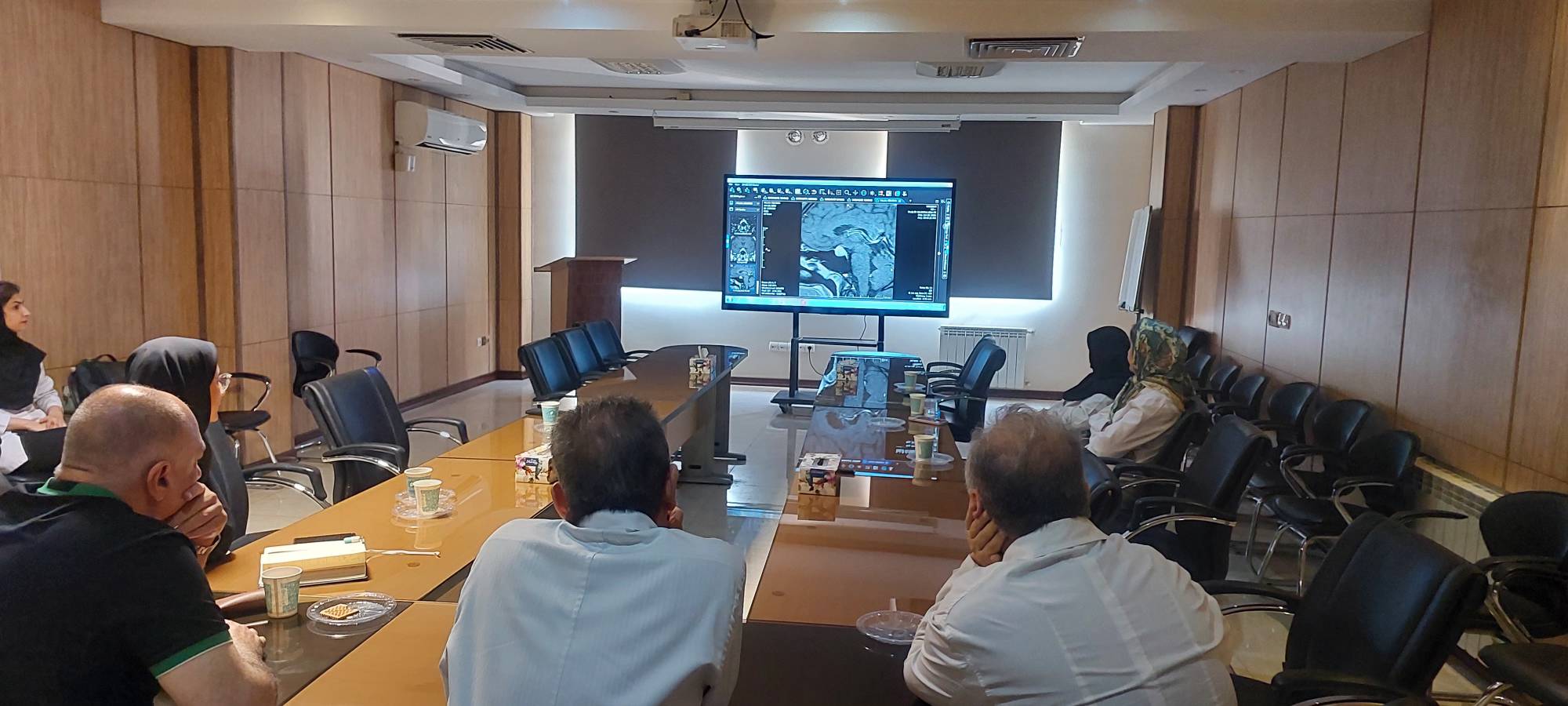
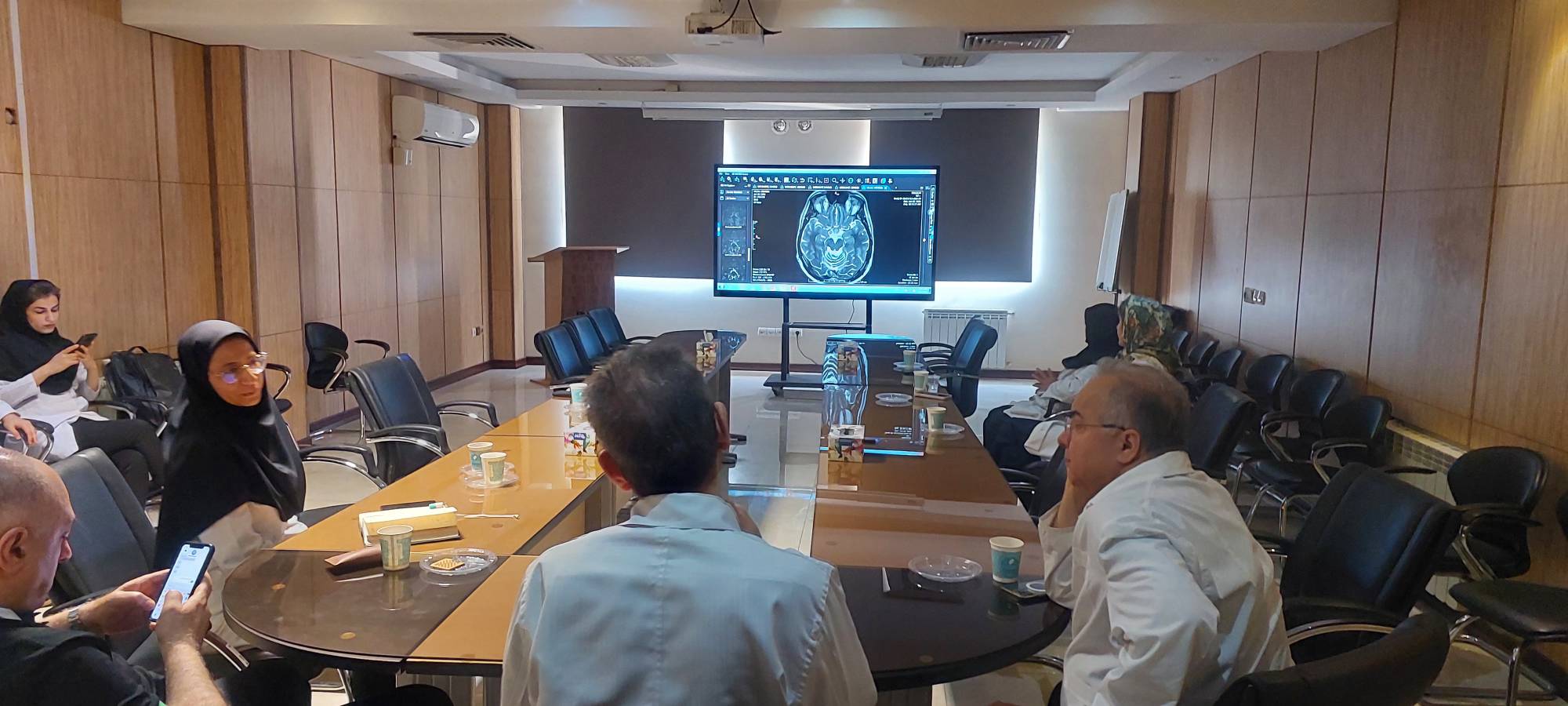
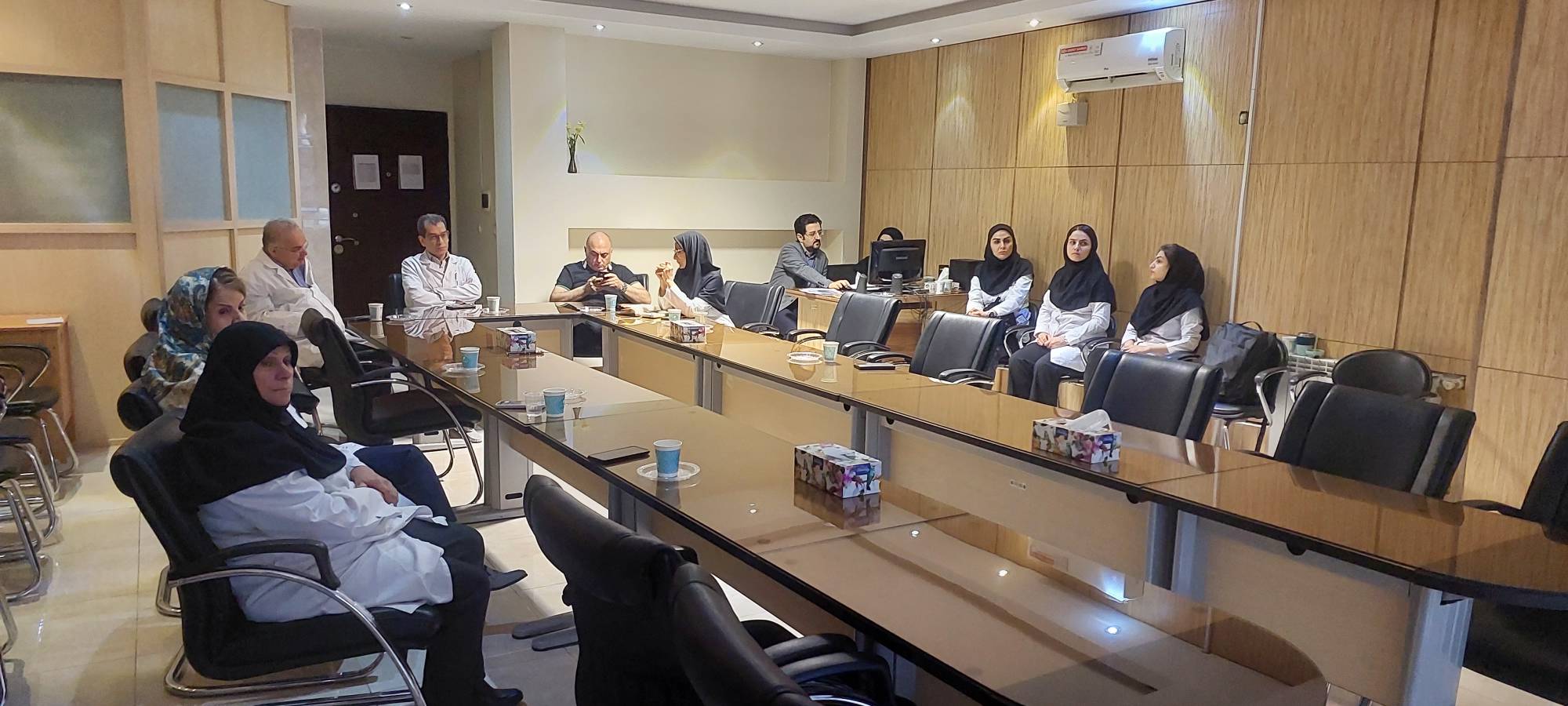
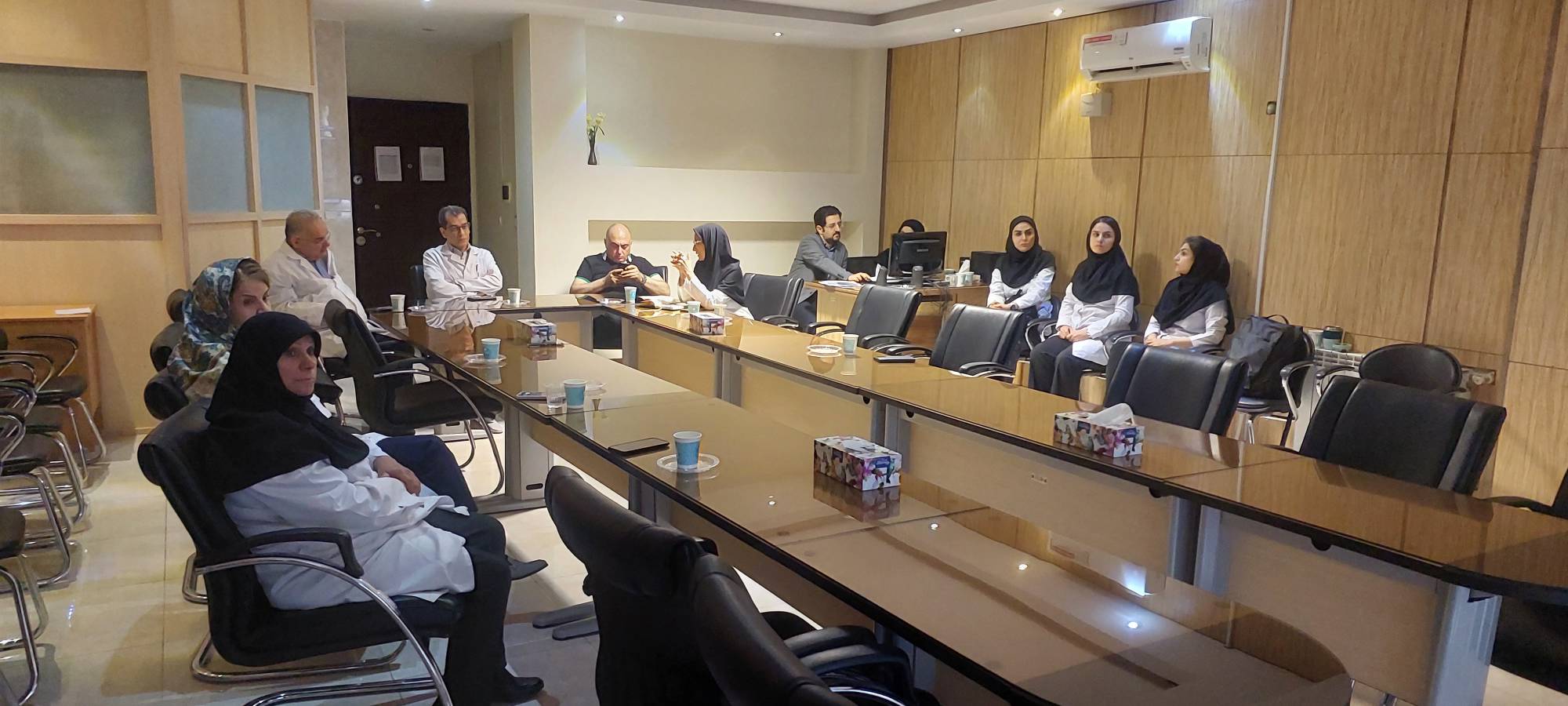
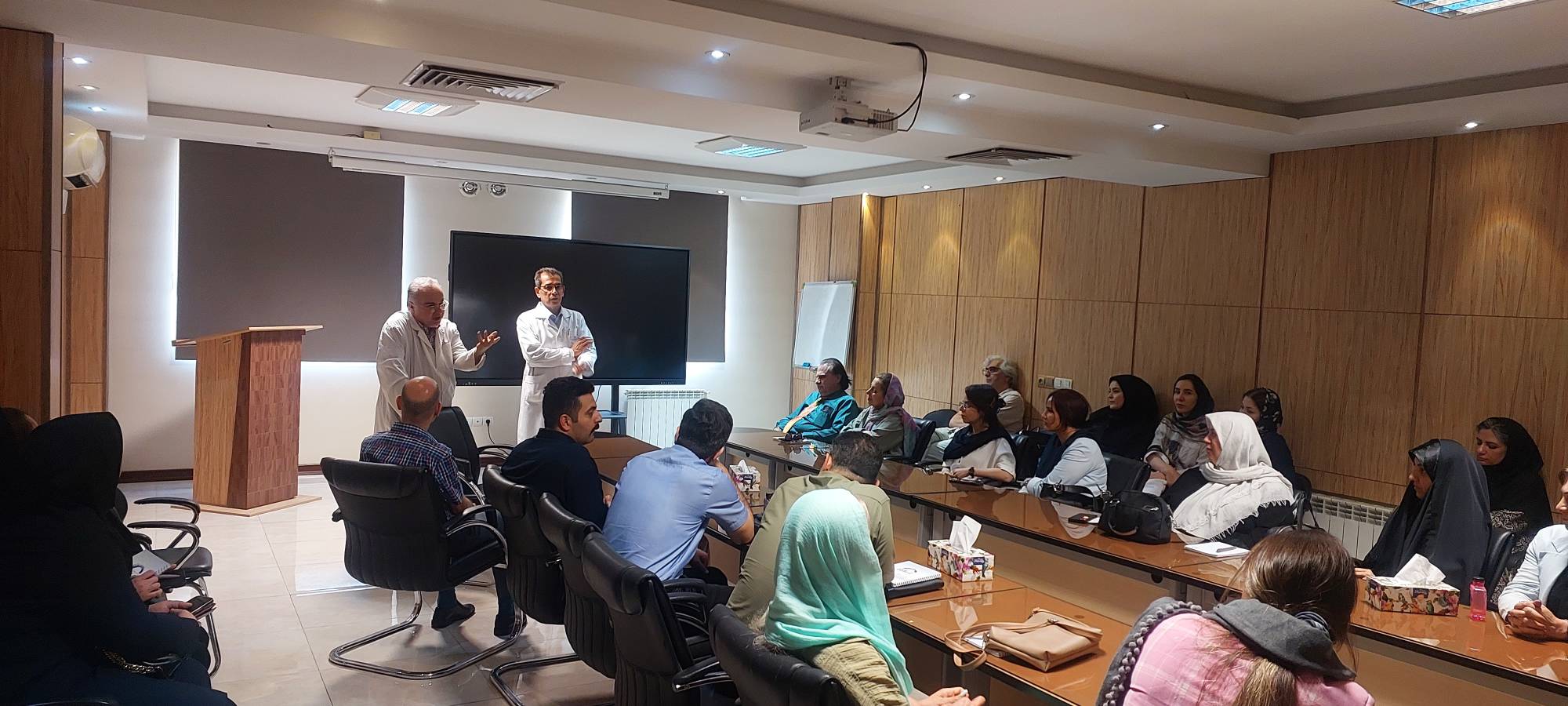
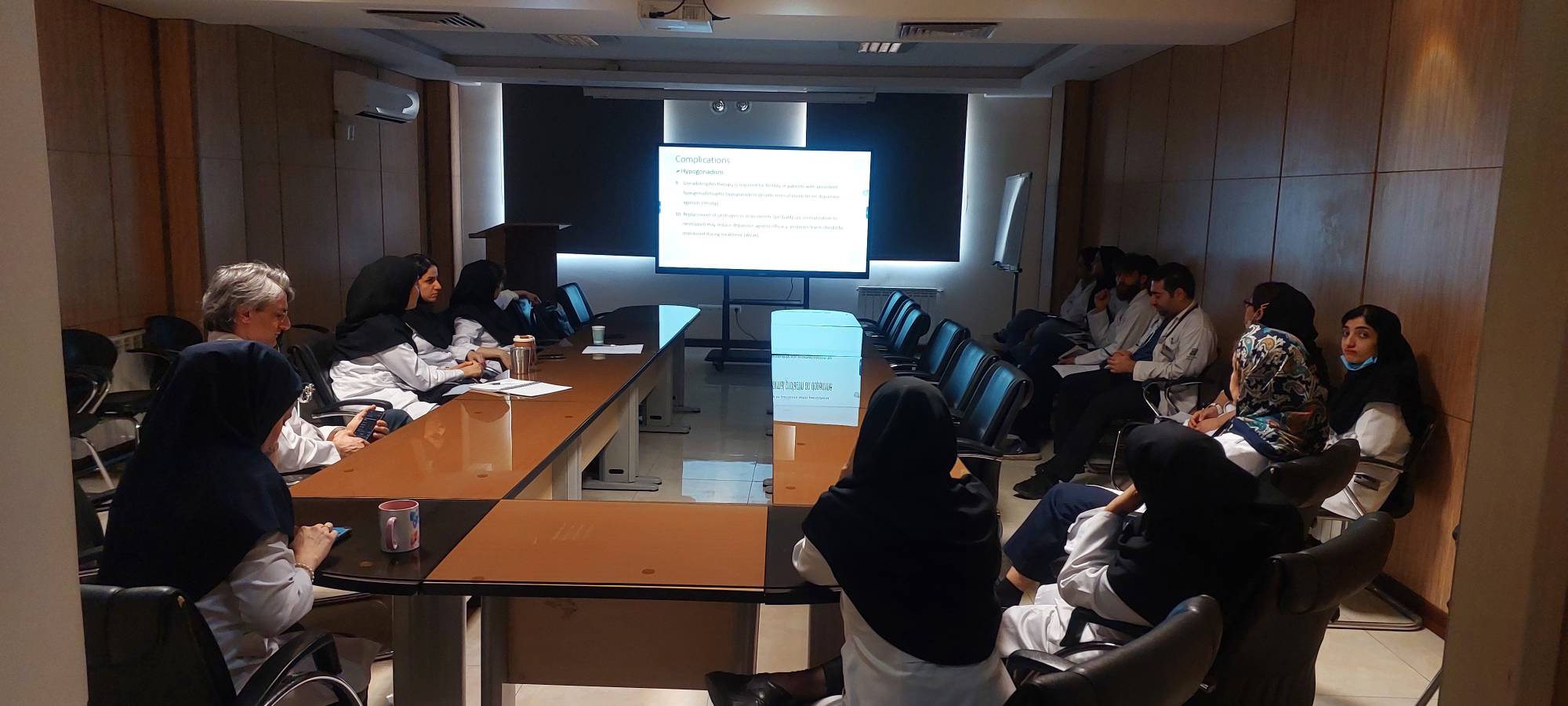
According to the Public Relations Office of the Endocrinology and Metabolism Research Institute, the Monthly Pituitary Meeting was held on Monday, July 27, 2026, in the conference hall of the Institute, with the participation of faculty members, subspecialty and specialty students, and specialists in pathology, radiology, and nuclear medicine.
In this scientific session, Dr. Zahra Noori, subspecialist in endocrinology and metabolism, presented and reviewed three clinical cases of pituitary tumors, each highlighting diagnostic and therapeutic challenges in this field.
Dr. Noori began by introducing the first case: a 45-year-old man with a long history of prolactinoma who, despite undergoing two transsphenoidal surgeries (TSS) in 2005 and 2018 and receiving high doses of cabergoline (up to 7 mg/week), still experienced progressive tumor enlargement. Citing the criteria for aggressive and dopamine agonist-resistant tumors, she reviewed available treatment strategies and, based on the 2023 Pituitary Society guidelines and the 2025 European Society of Endocrinology guidelines, outlined a stepwise treatment algorithm ranging from dose escalation up to 11 mg/week, repeat surgery, radiotherapy, and ultimately temozolomide therapy.
The second case presented involved a 48-year-old woman diagnosed with a pituitary macroadenoma who, after surgery in 2024, presented with recurrence of headache. The key question raised in this section was the need to differentiate between a silent corticotroph adenoma and other non-functioning adenomas. Dr. Noori, referencing the WHO classification and recent studies, discussed the pathological features of this tumor, including ACTH immunoreactivity, more frequent cavernous sinus invasion, and a more aggressive postoperative course compared to typical non-functioning adenomas. She emphasized the importance of assessing proliferative markers such as Ki-67, mitotic count, and p53 staining in deciding on adjuvant therapies such as radiotherapy or chemotherapy.
The third case examined a pituitary incidentaloma discovered during workup for seizure episodes in a 40-year-old man with a remote history of childhood epilepsy. The central discussion point was the impact of surgical timing on visual field recovery in patients with optic chiasm compression. Dr. Noori, referencing the latest Endocrine Society and Pituitary Society guidelines, detailed the precise indications for surgery, including visual field deficits, other visual abnormalities, apoplexy with visual disturbance, significant tumor growth, and refractory headaches, and stressed the importance of timely intervention to prevent irreversible optic nerve damage.
At the end of the session, participants engaged in discussion and exchange of views regarding the details of each case, diagnostic criteria, and optimal treatment approaches. The critical need for a multidisciplinary approach in managing patients with complex pituitary tumors was underscored.


.jpg)

comment