Weekly Conference of the Endocrine Research Center Focuses on Hirsutism and Its Clinical and Psychosocial Impact
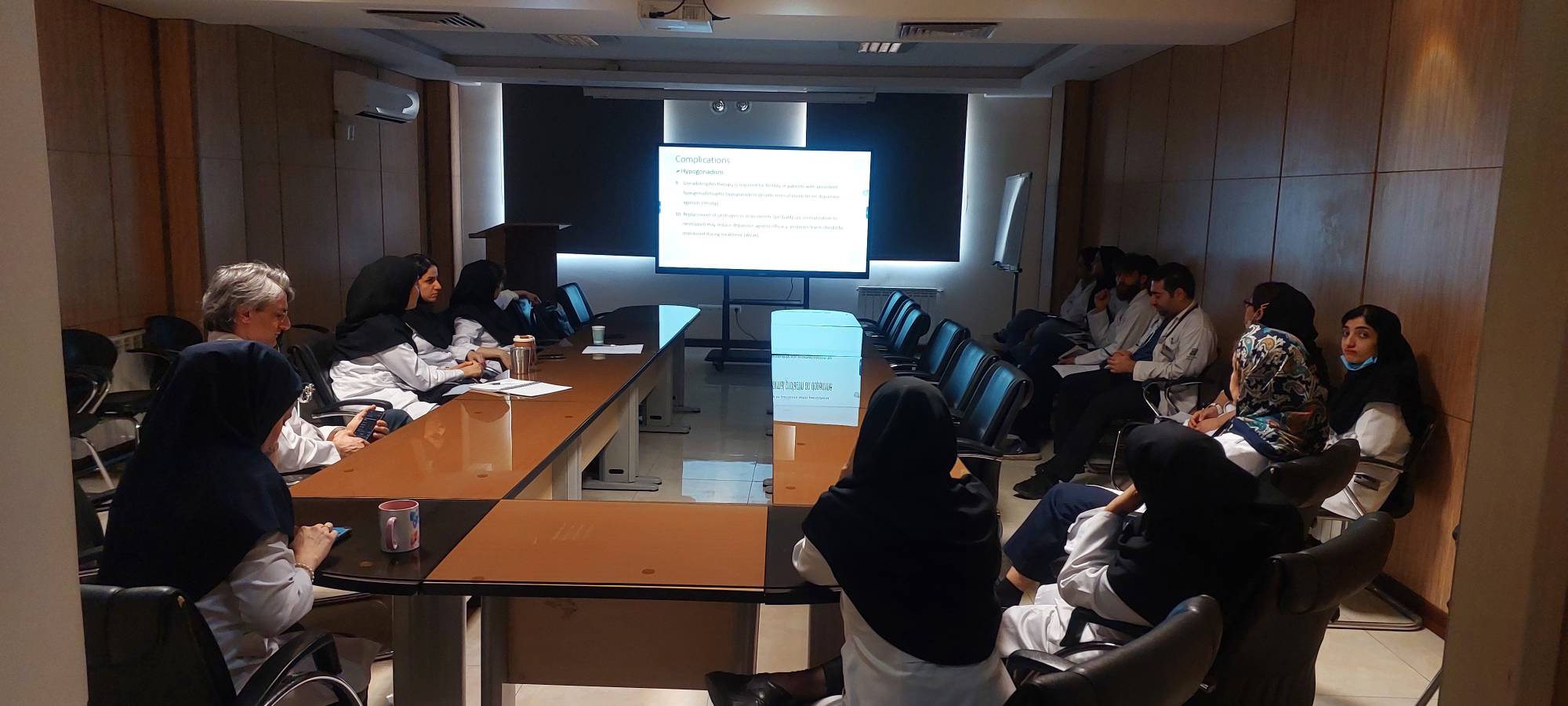
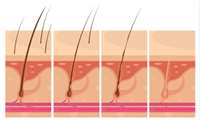
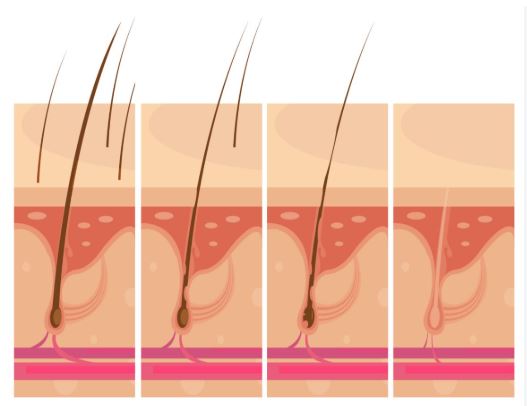
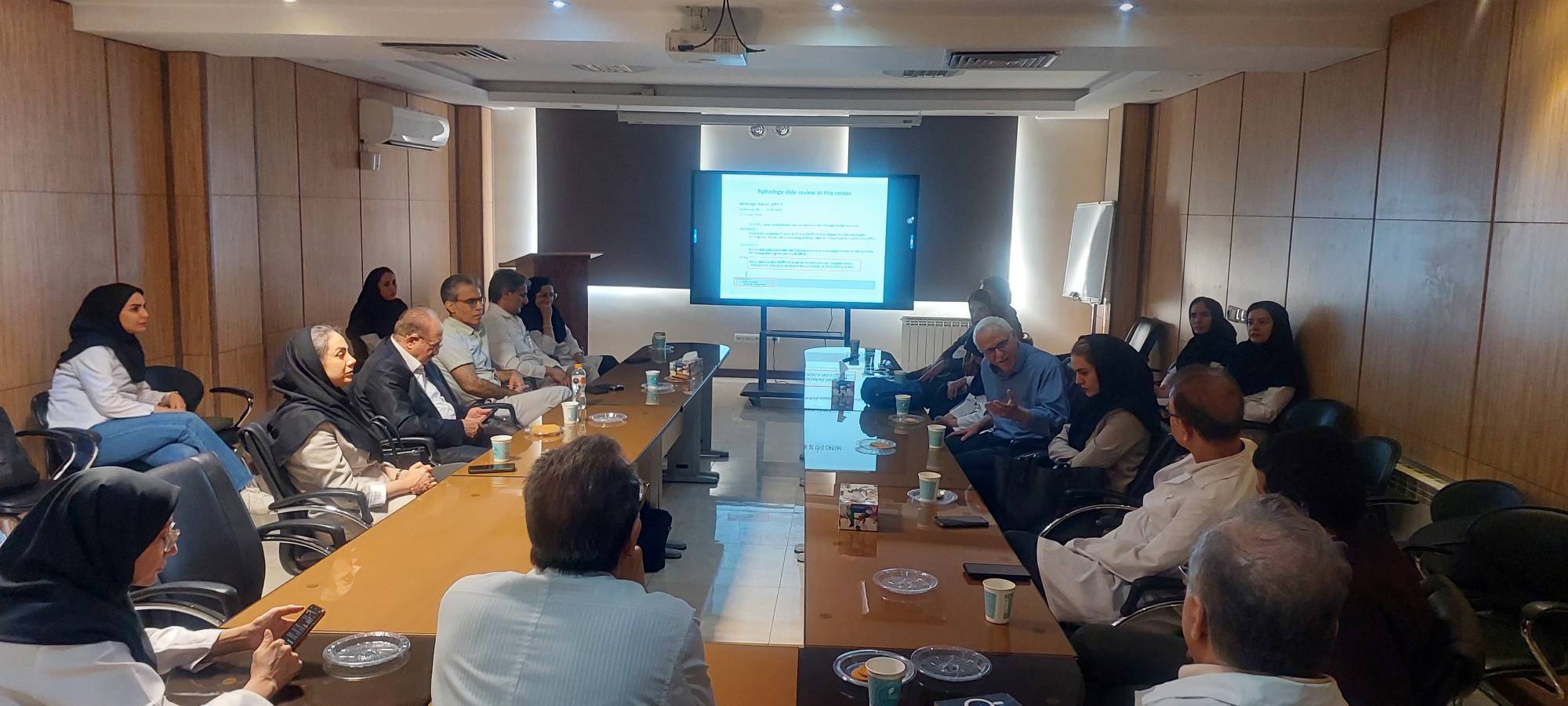
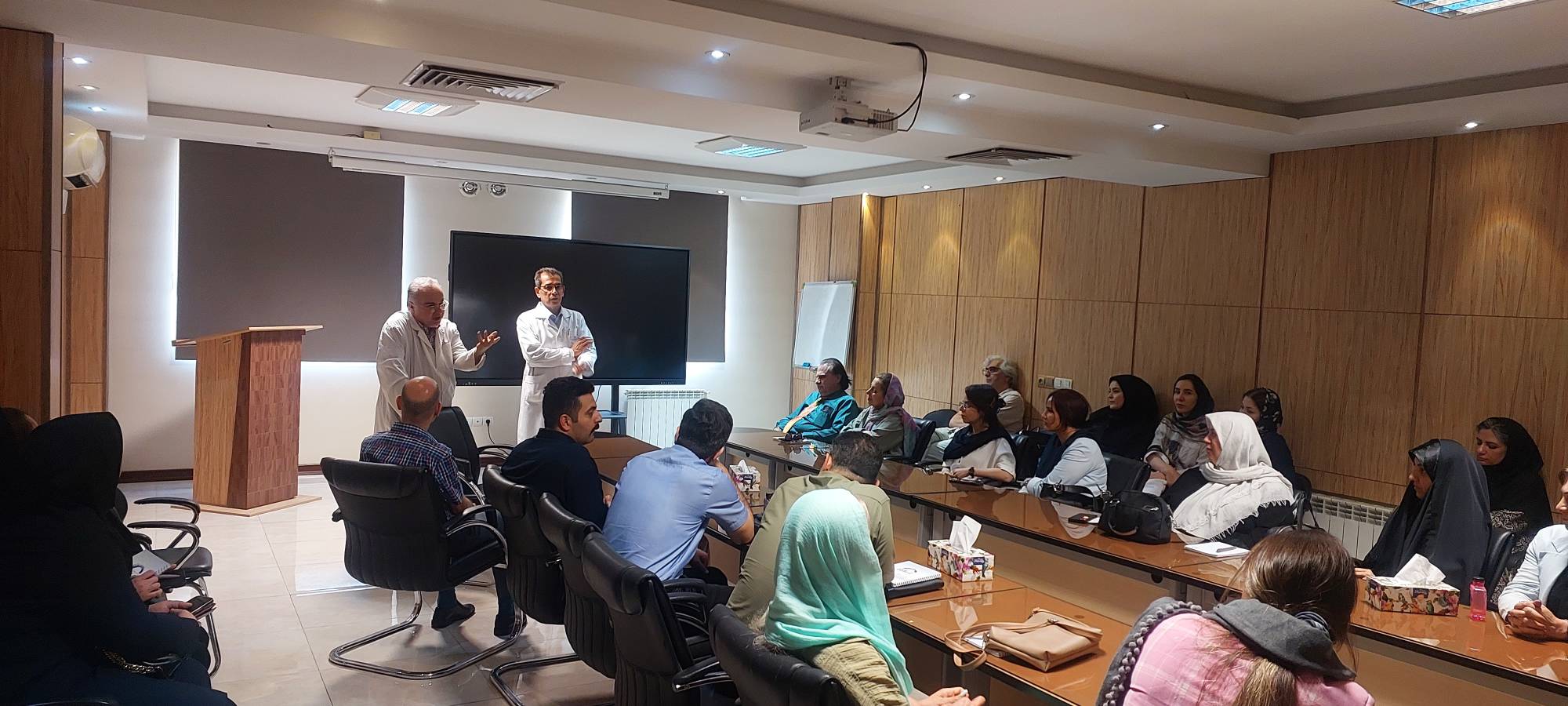
The weekly conference of the Endocrine Research Center was held on Sunday, September 13, 2026, with the participation of faculty members and students. The scientific presentation was delivered by Dr. Naghmeh Habibi, an endocrinology and metabolism subspecialty fellow, and focused on hirsutism, its clinical significance, underlying causes, diagnostic evaluation, and its psychological and social effects on women’s quality of life.

Endocrinology Research Institute Diagnostic Laboratory From Reopening in 2018 with 130 Square Meters of Space to Collaboration with 3 Patient Associations
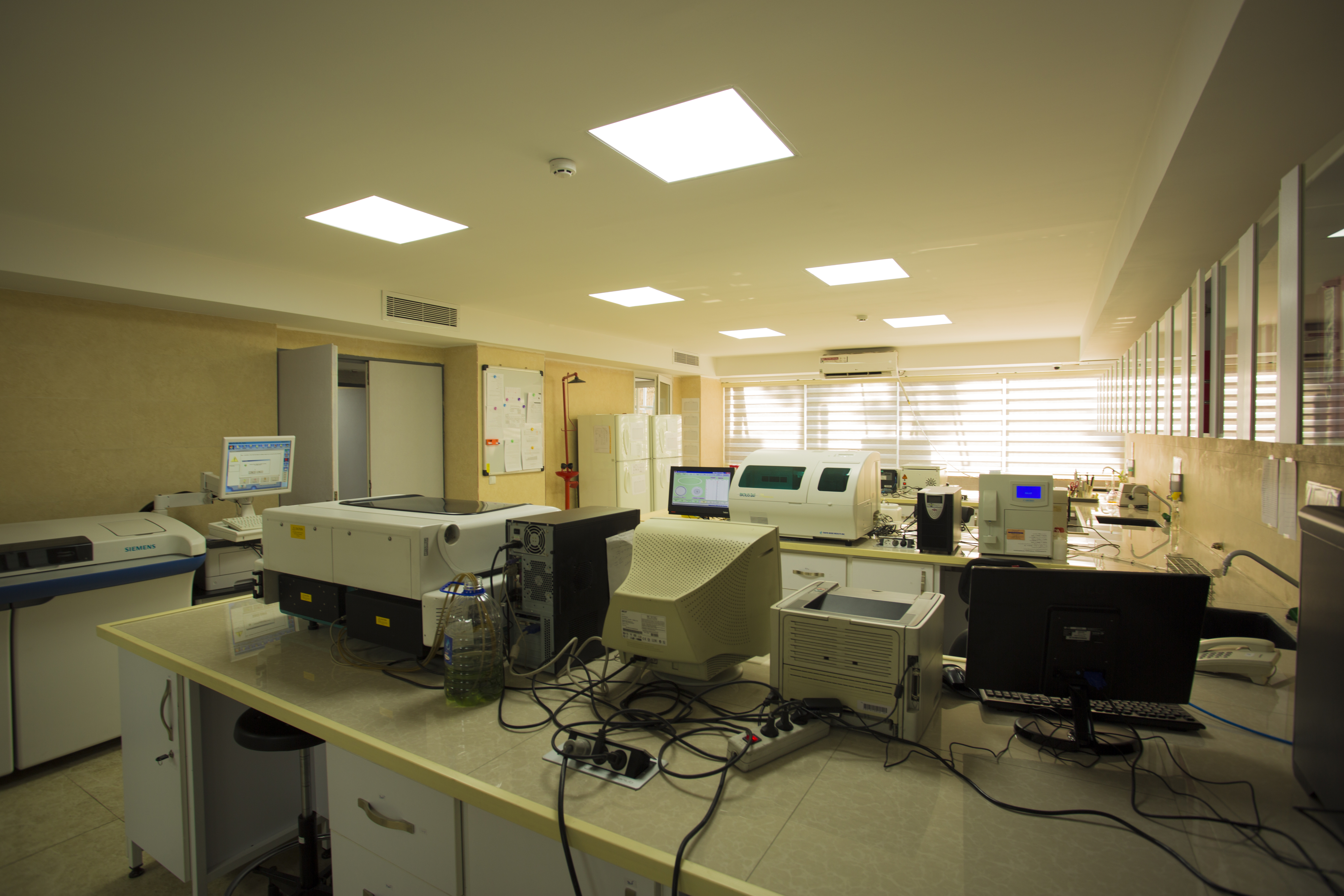
Dr. Arezoo Asadi, Director of the Diagnostic Laboratory at the Endocrinology and Metabolism Research Institute of Iran University of Medical Sciences, in an interview with the Institute's Public Relations Department, elaborated on the background, structure, service areas, educational and research activities, and human resource composition of this center. According to the information provided, the laboratory began its activities in 1969 and was reopened in 2018 after obtaining official authorization from the Ministry of Health and receiving approval from the Deputy of Treatment of Iran University of Medical Sciences, in a space of 130 square meters across two floors. Services are offered in 11 specialized departments, including Biochemistry, Hormonology, Immunology, Genetics, and Medical Bacteriology. The laboratory collaborates with 3 patient associations (Gabric, Mahak, and MS Society) and has so far conducted 4 specialized training courses, including Quality Control, Cell Culture, ELISA, and Immunohistochem

Complex Thyroid Cases Discussed at the Monthly Conference of the Endocrinology Research Institute
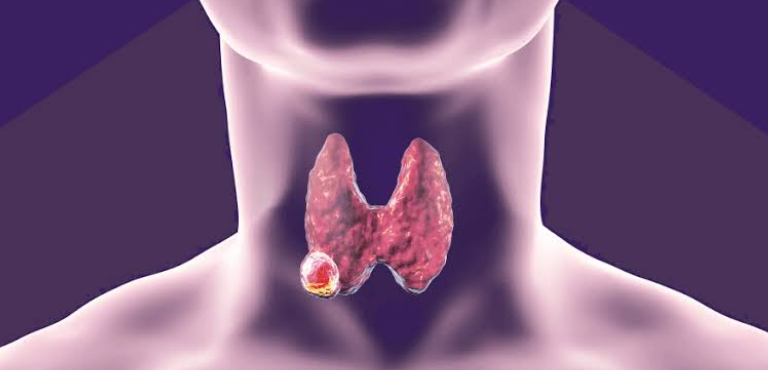
At the monthly thyroid conference of the Endocrinology Research Institute, two challenging clinical cases—including bone metastasis of follicular thyroid carcinoma and synchronous medullary and papillary thyroid carcinoma—were presented by Dr. Naghmeh Habibi, and optimal treatment strategies were discussed.

Achieving Normal Thyroid Function Before Pregnancy The Key to Reducing Maternal and Fetal Complications by Up to 70%
At the Weekly Conference of the Endocrinology and Metabolism Research Institute, the latest clinical guidelines of the American Thyroid Association (ATA) on the management of hyperthyroidism during pregnancy were reviewed. According to these guidelines, achieving euthyroidism (normal thyroid function) before conception is the cornerstone for reducing maternal and fetal complications. It was also emphasized that propylthiouracil (PTU) is the preferred treatment during the first trimester due to its lower risk of congenital malformations, and that measurement of TRAb/TSI antibodies plays a pivotal role in predicting disease relapse and monitoring fetal thyrotoxicosis.
From Heart to Liver: Novel Diabetes Drugs Offer Dual Wings of Protection for High-Risk Patients
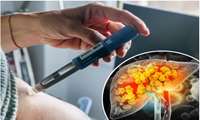
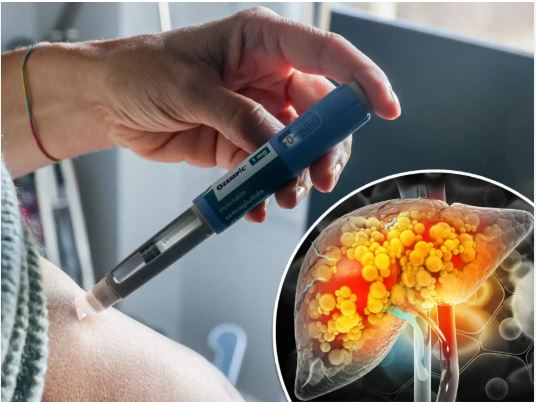
At the weekly Journal Club of the Endocrinology and Metabolism Research Institute, a comprehensive meta-analysis encompassing over 5.3 million diabetic patients was reviewed. The findings, presented in a PDF file, demonstrate that GLP-1 receptor agonists (GLP-1 RAs) and SGLT-2 inhibitors not only improve glycemic control and cardiovascular outcomes but also significantly reduce the risk of hepatocellular carcinoma (HCC) and non-HCC liver-related events. In contrast, DPP-4 inhibitors were associated with an increased risk of non-HCC liver-related complications. The session was well-received by faculty members and students alike.
Three Complex Cases of Papillary Thyroid Cancer Discussed at the Monthly Thyroid Conference of the Research Institute
The monthly Thyroid Conference of the Endocrine Research Institute was held on Monday, August 5, 2026, featuring three challenging clinical cases of patients with Papillary Thyroid Cancer (PTC) with pulmonary metastases and recurrent disease, presented by Dr. Naghme Habibi, an endocrinology subspecialist. The session covered the latest diagnostic and therapeutic approaches, including radioactive iodine therapy, re-operation, targeted therapies such as Lenvatinib, and the importance of a multidisciplinary approach in managing these conditions.
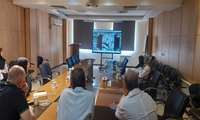
Monthly Pituitary Meeting Held at the Endocrinology Research Institute with Focus on Resistant Tumors and Diagnostic Challenges
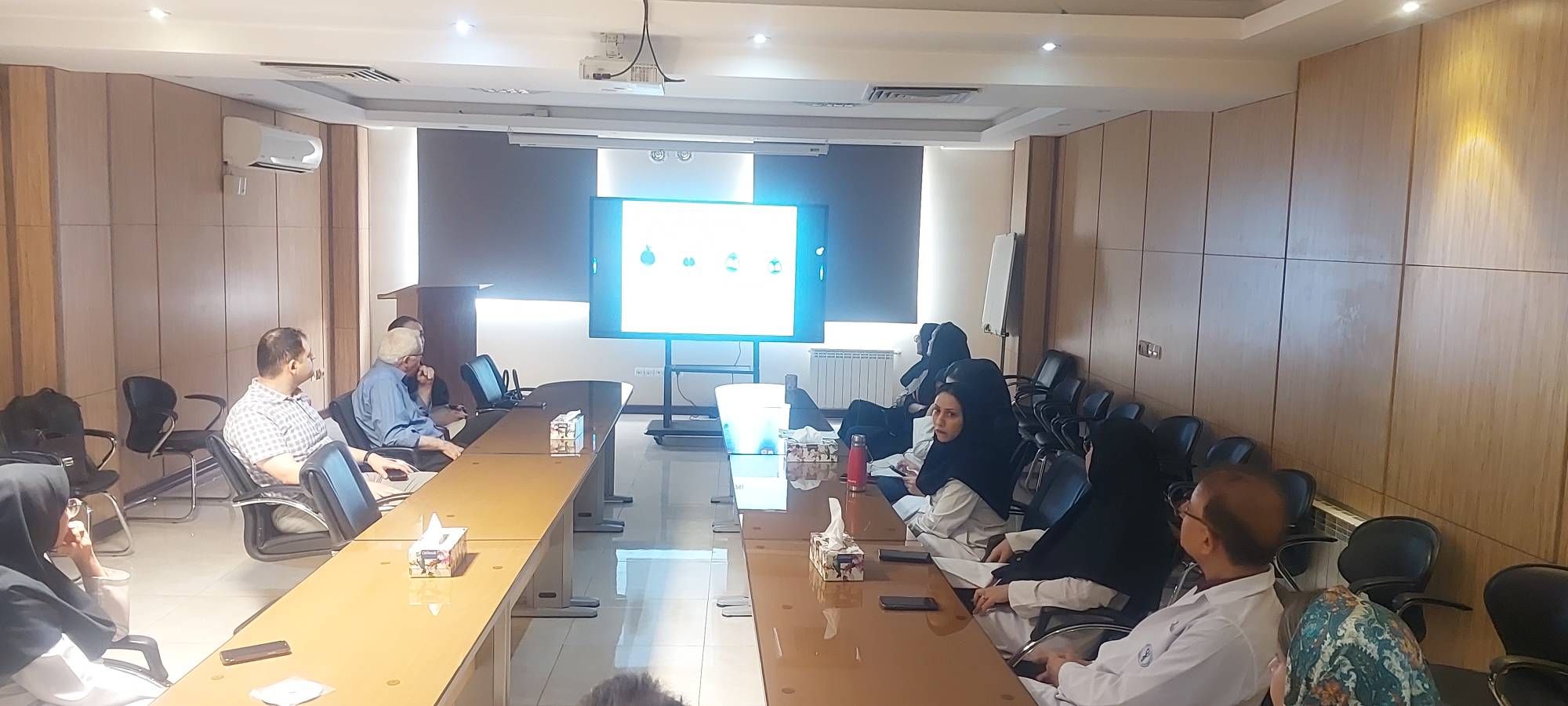
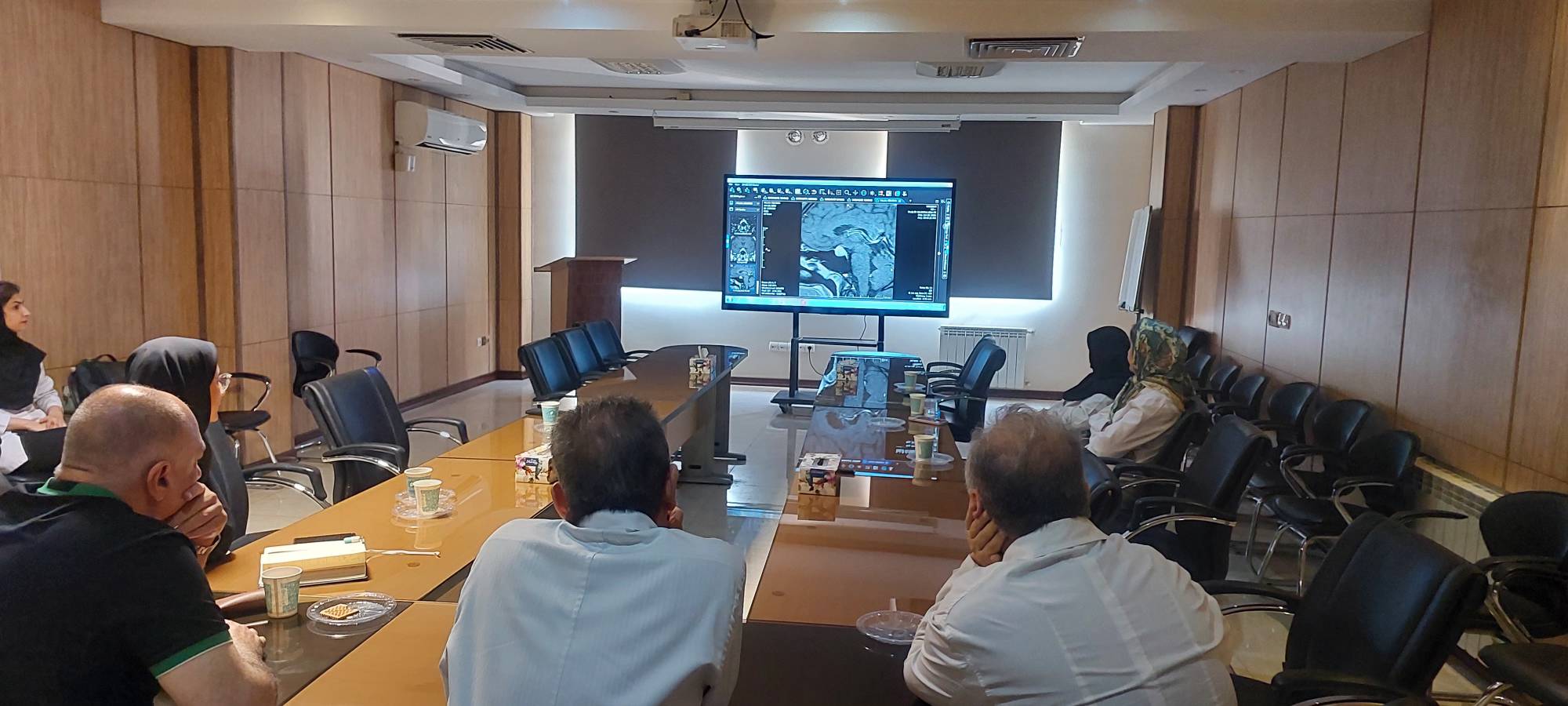
The Monthly Pituitary Meeting of the Endocrinology and Metabolism Research Institute was held on Monday, July 27, 2026, with the attendance of faculty members, students, and specialists in pathology, radiology, and nuclear medicine. At this session, Dr. Zahra Noori, an endocrinology and metabolism subspecialist, presented three complex clinical cases including resistant prolactinoma, silent corticotroph adenoma, and pituitary incidentaloma, and elaborated on the latest international guidelines from leading global societies for managing these conditions.
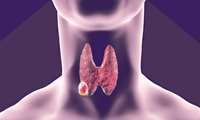
Impact of Pregnancy on the Progression of Papillary Thyroid Microcarcinoma: Is Active Surveillance Still a Safe Strategy?
A retrospective medical record review revealed that pregnancy may cause transient acceleration in the growth of papillary thyroid microcarcinoma (PTMC); however, these changes are mostly self‑limited, with tumor growth slowing or stabilizing after delivery. According to the findings presented at the Endocrine Research Institute's weekly Journal Club, Active Surveillance remains a safe and practical management approach for patients of reproductive age, with only a limited number of cases requiring delayed surgery postpartum.
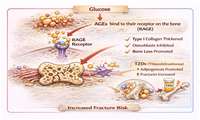
Examining Pioglitazone-Induced Fracture Risk Cardiovascular Benefits Versus Skeletal Adverse Effects
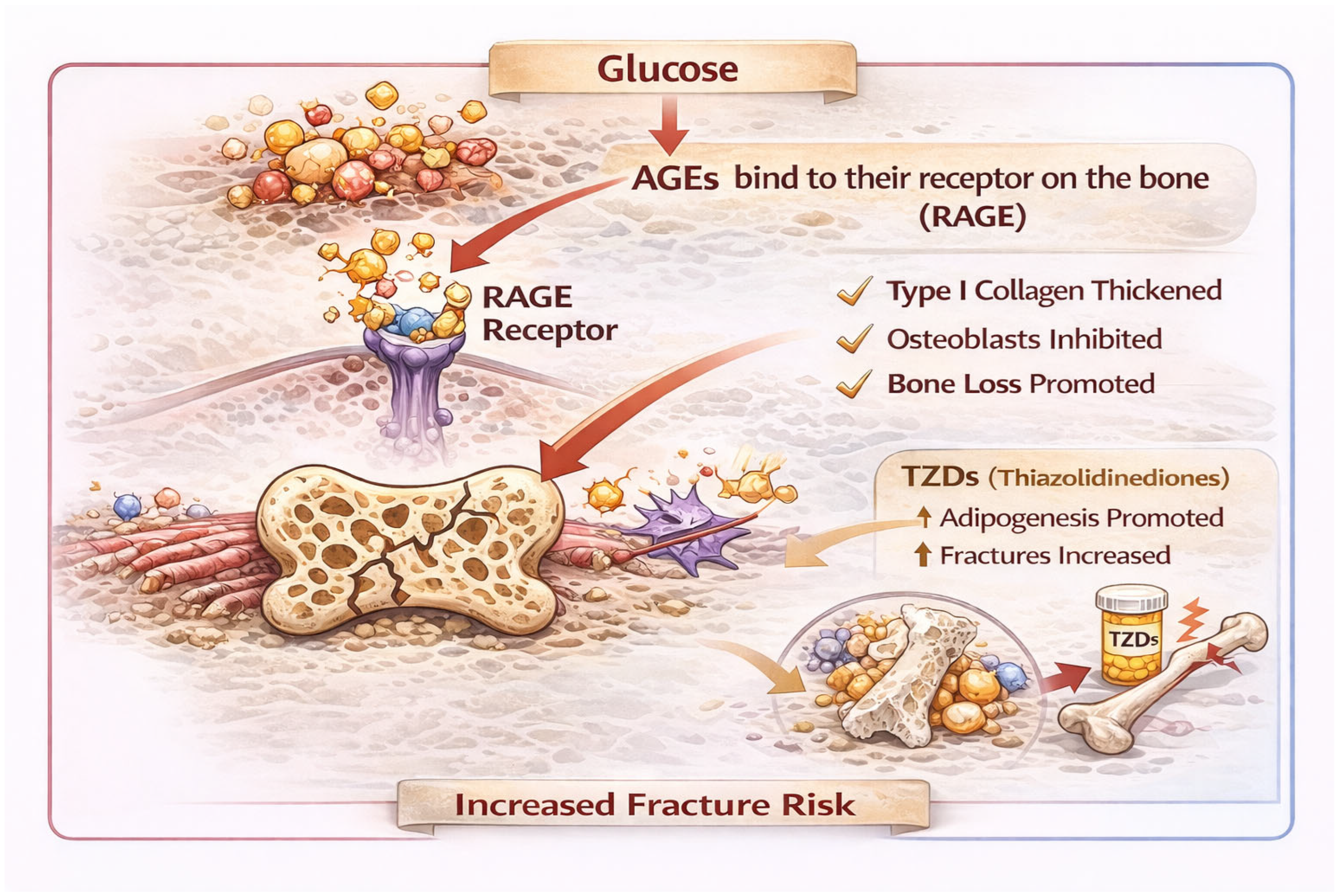
The Endocrinology and Metabolism Research Institute's Journal Club session was held on July 20, 2026, at Iran University of Medical Sciences. In this session, Dr. Sara Bazgiri, a fellow in Endocrinology and Metabolism, reviewed an article from Frontiers in Pharmacology demonstrating that pioglitazone, despite its significant benefits in reducing stroke and cardiovascular events, is associated with a 21% increased risk of fractures, particularly in women and stroke survivors. These findings emphasize the necessity of an individualized therapeutic approach when prescribing this medication.
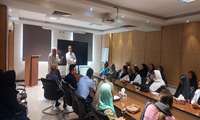
Physician Empowerment Training Workshop on Comprehensive Type 2 Diabetes Care Held at the Endocrinology Research Institute
A two-day training and empowerment workshop for physicians on the diagnosis, treatment, and comprehensive care of patients with type 2 diabetes was held on July 10-11, 2025, at the Endocrinology and Metabolism Research Institute. The workshop, attended by a group of general practitioners and specialists, provided participants with an update on the latest 2025 American Diabetes Association (ADA) treatment guidelines, alongside practical training on comprehensive diabetic patient visits, standard foot examination, and diabetic retinopathy screening at the institute's outpatient clinic. Faculty members emphasized the importance of timely screening for neuropathy, peripheral arterial disease, and retinopathy, as well as novel pharmacological approaches including SGLT2 inhibitors and GLP-1 receptor agonists in reducing cardiovascular and renal event risks.

.jpg)