
Complex Thyroid Cases Discussed at the Monthly Conference of the Endocrinology Research Institute
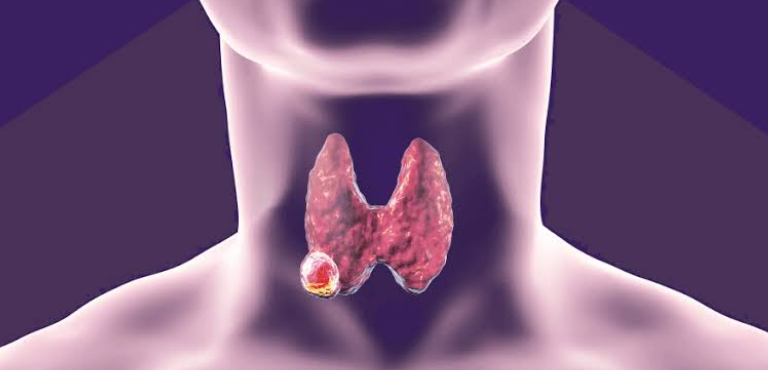
At the monthly thyroid conference of the Endocrinology Research Institute, two challenging clinical cases—including bone metastasis of follicular thyroid carcinoma and synchronous medullary and papillary thyroid carcinoma—were presented by Dr. Naghmeh Habibi, and optimal treatment strategies were discussed.
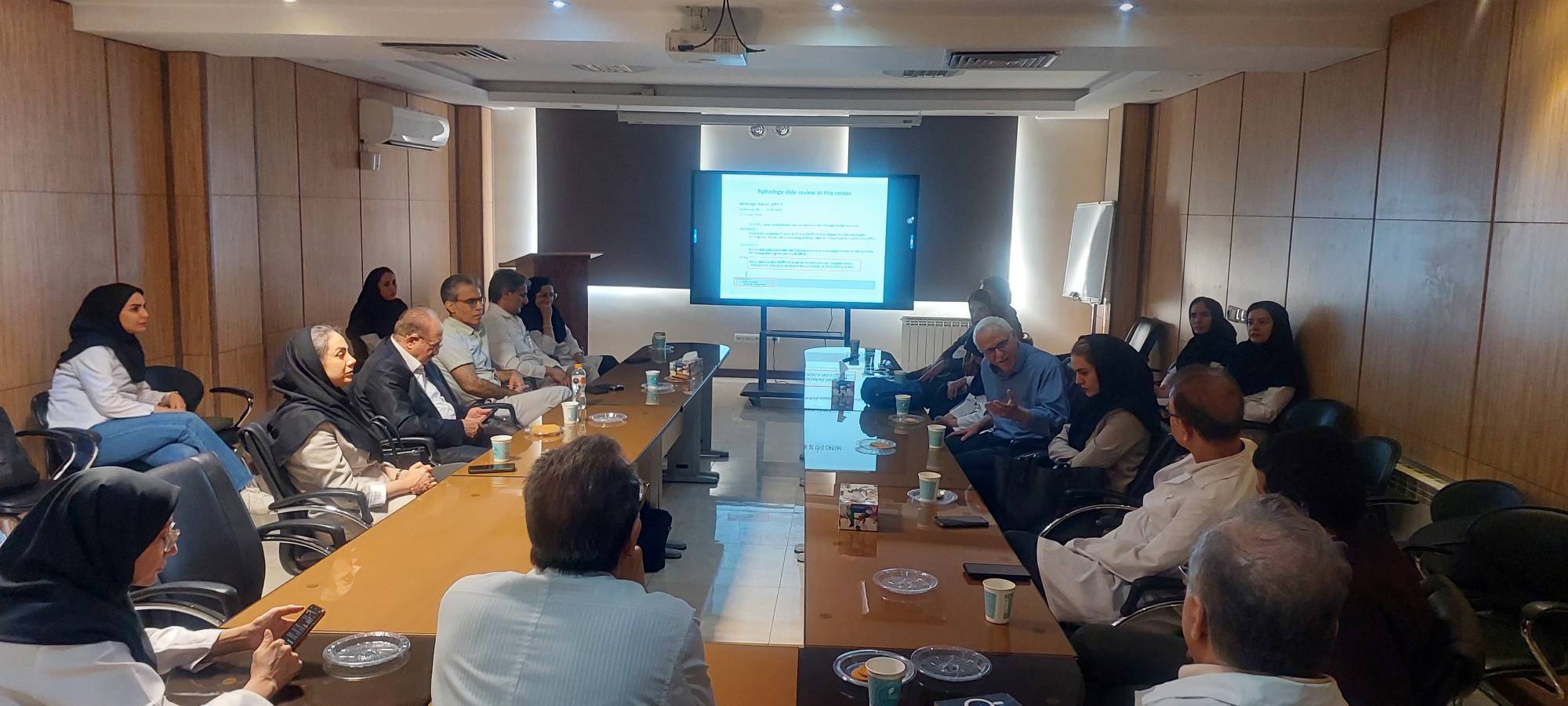
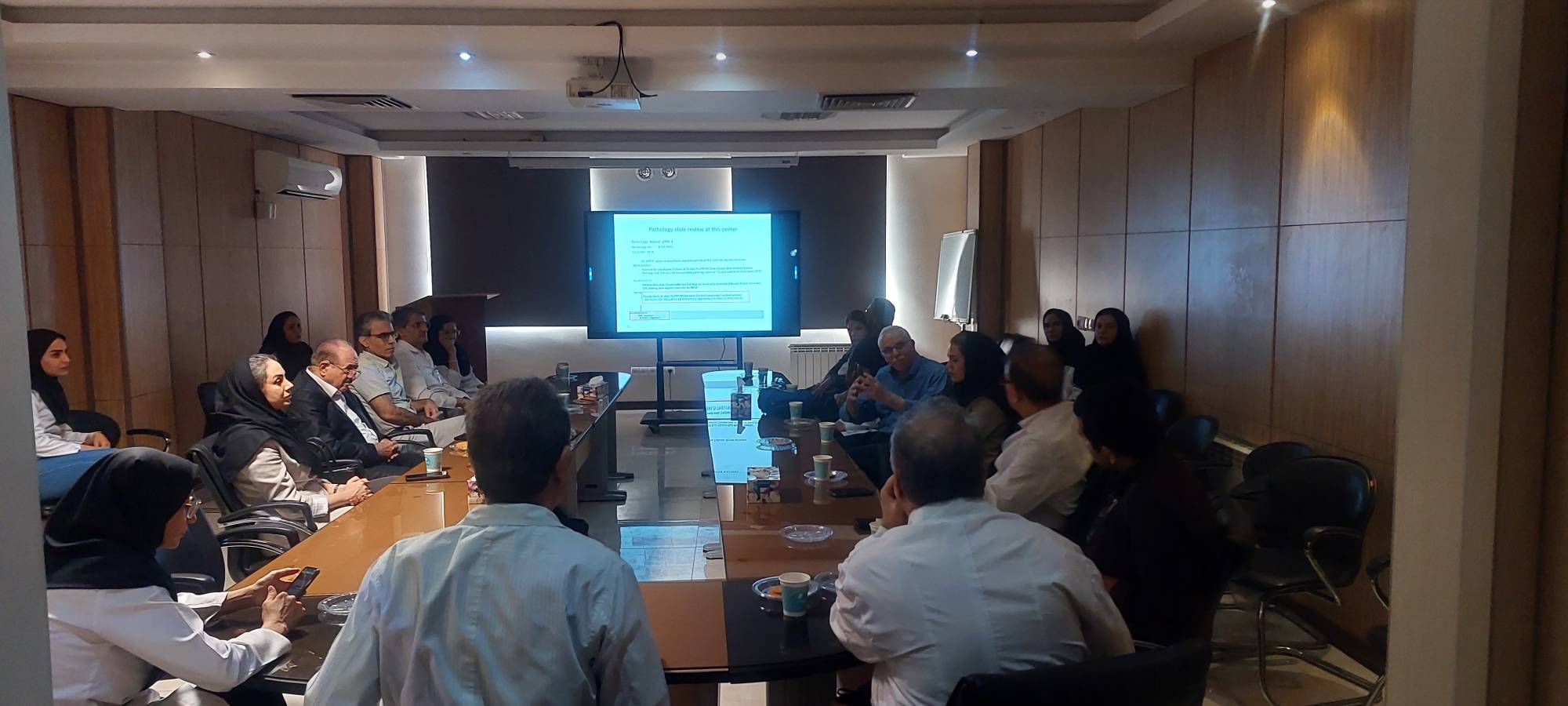
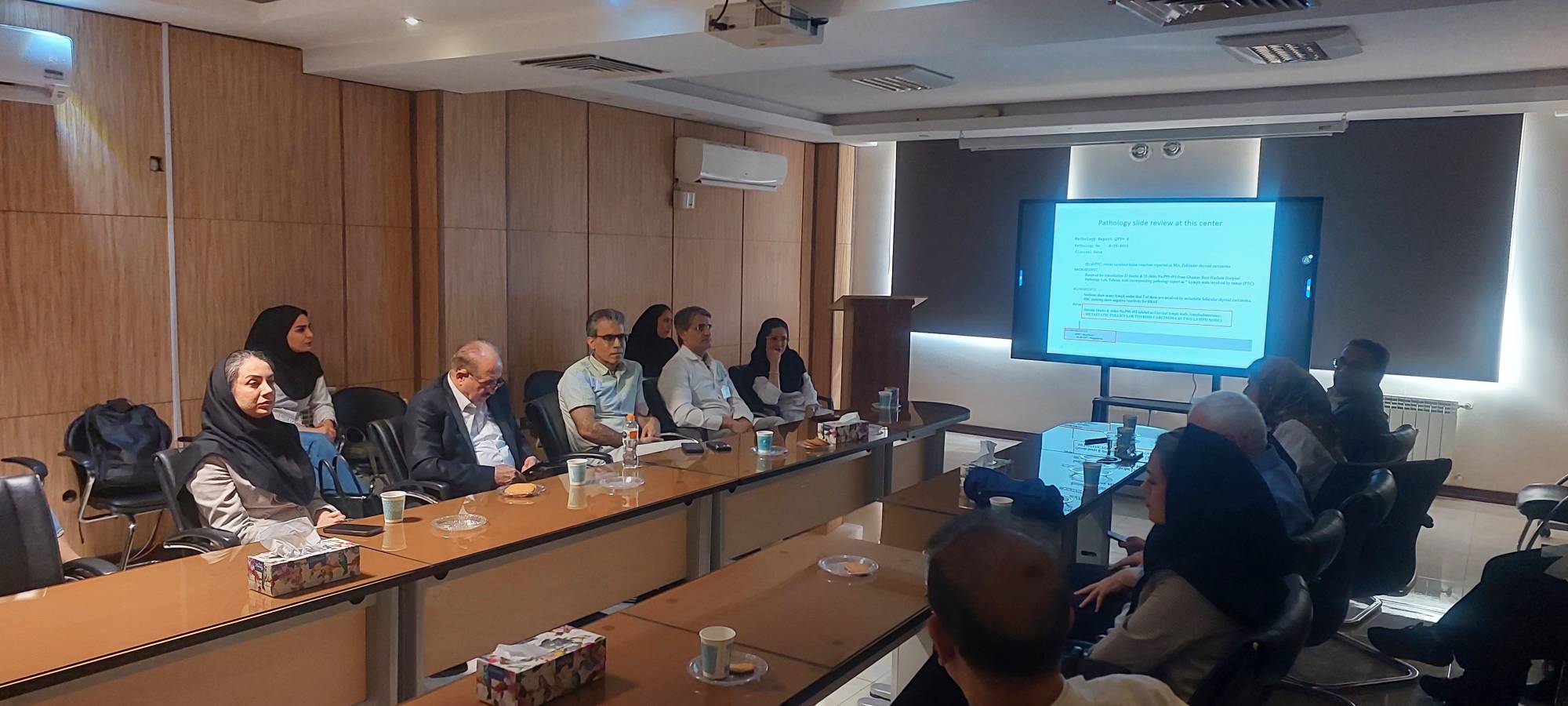
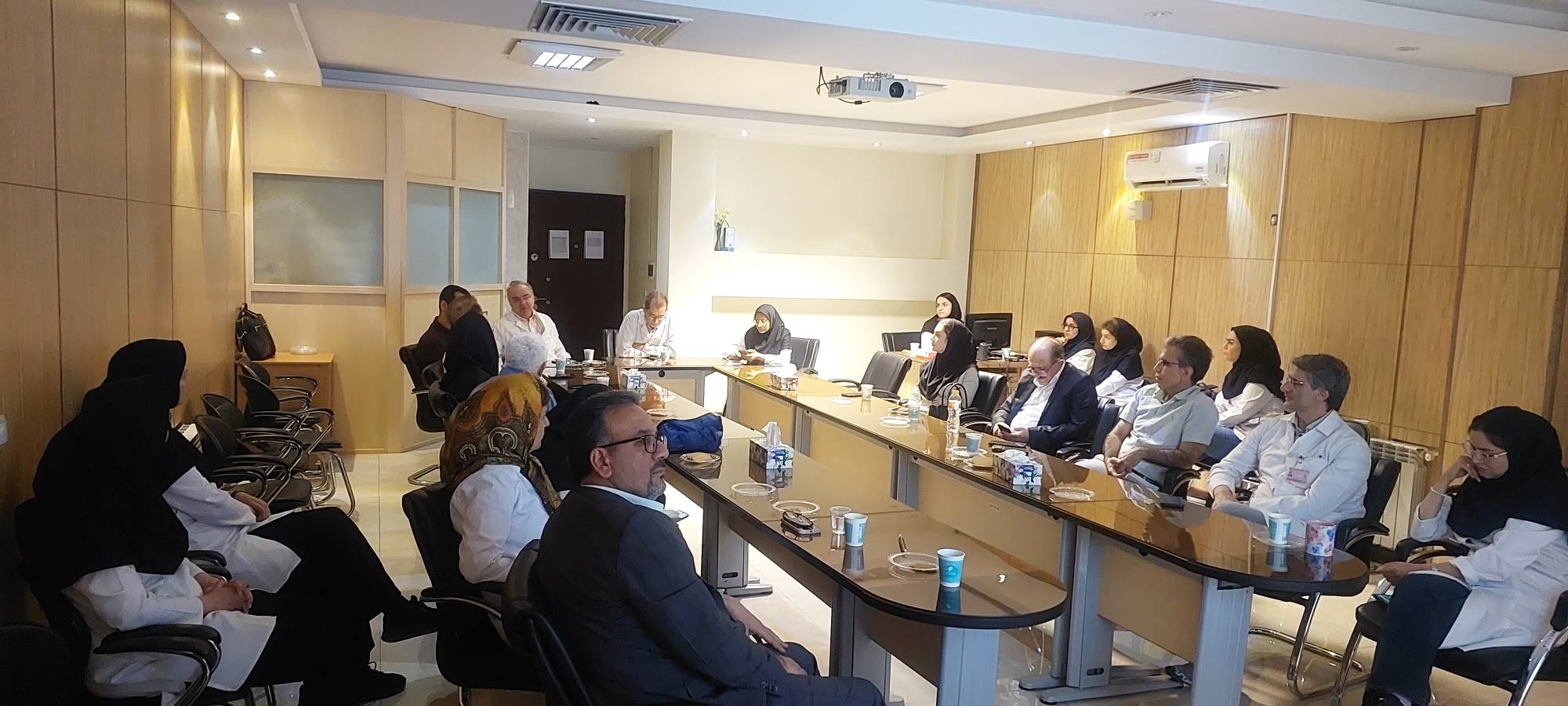
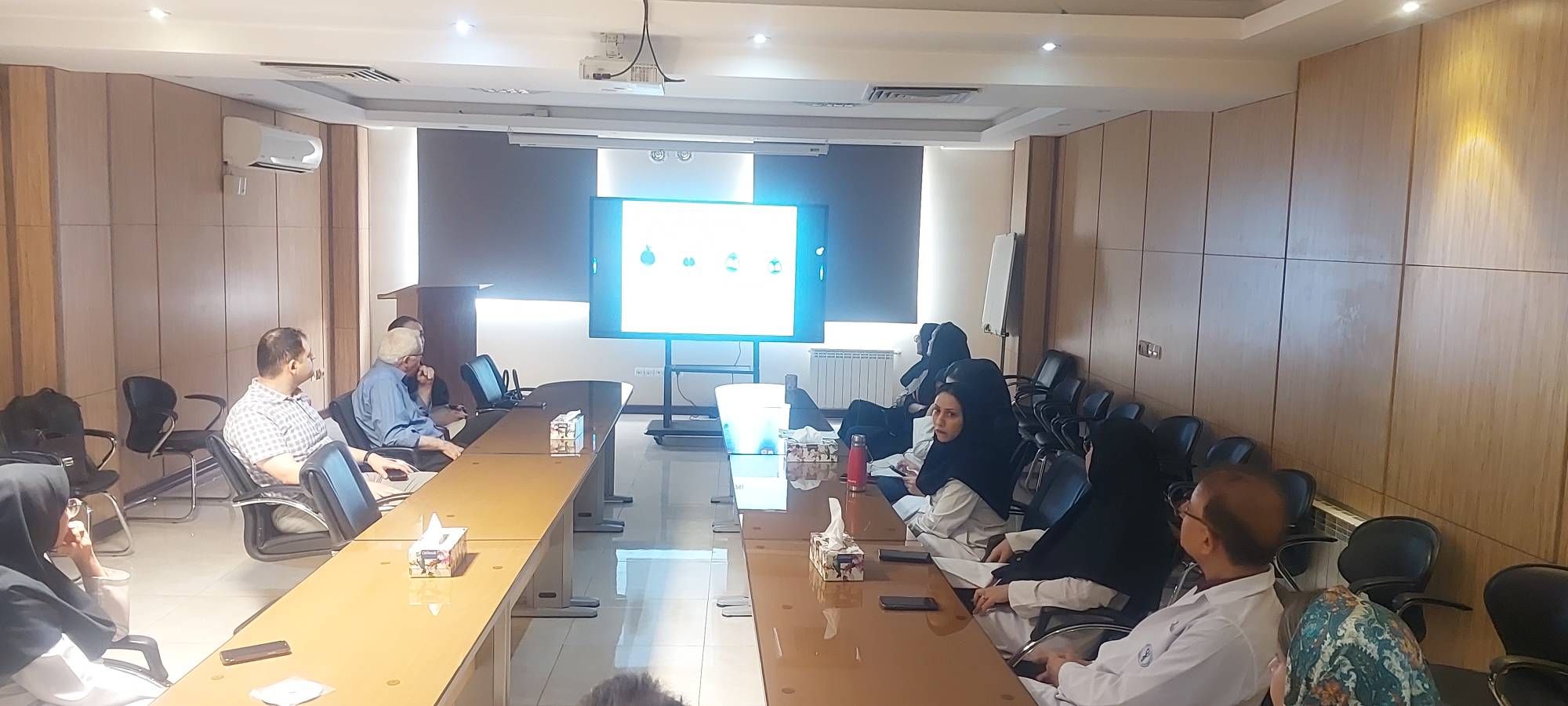
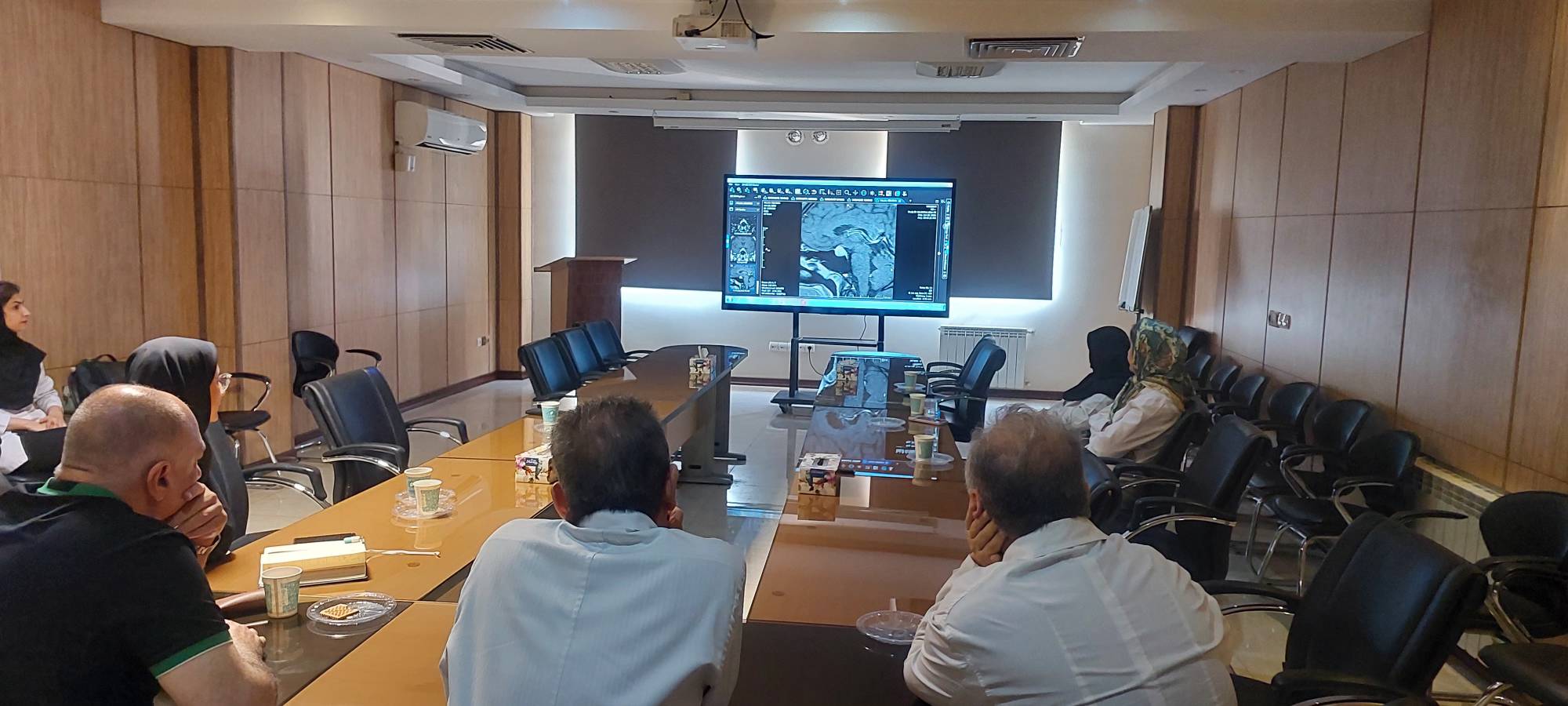
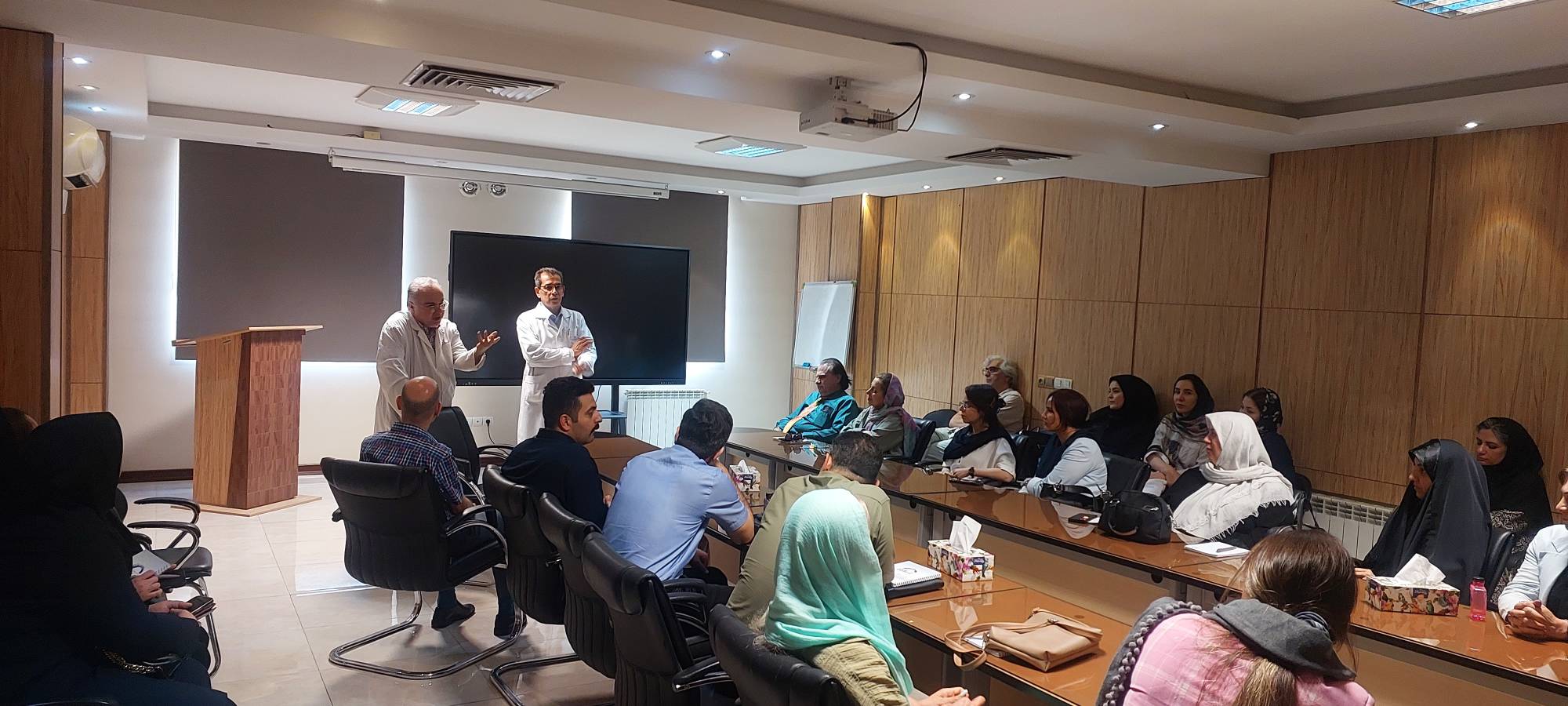
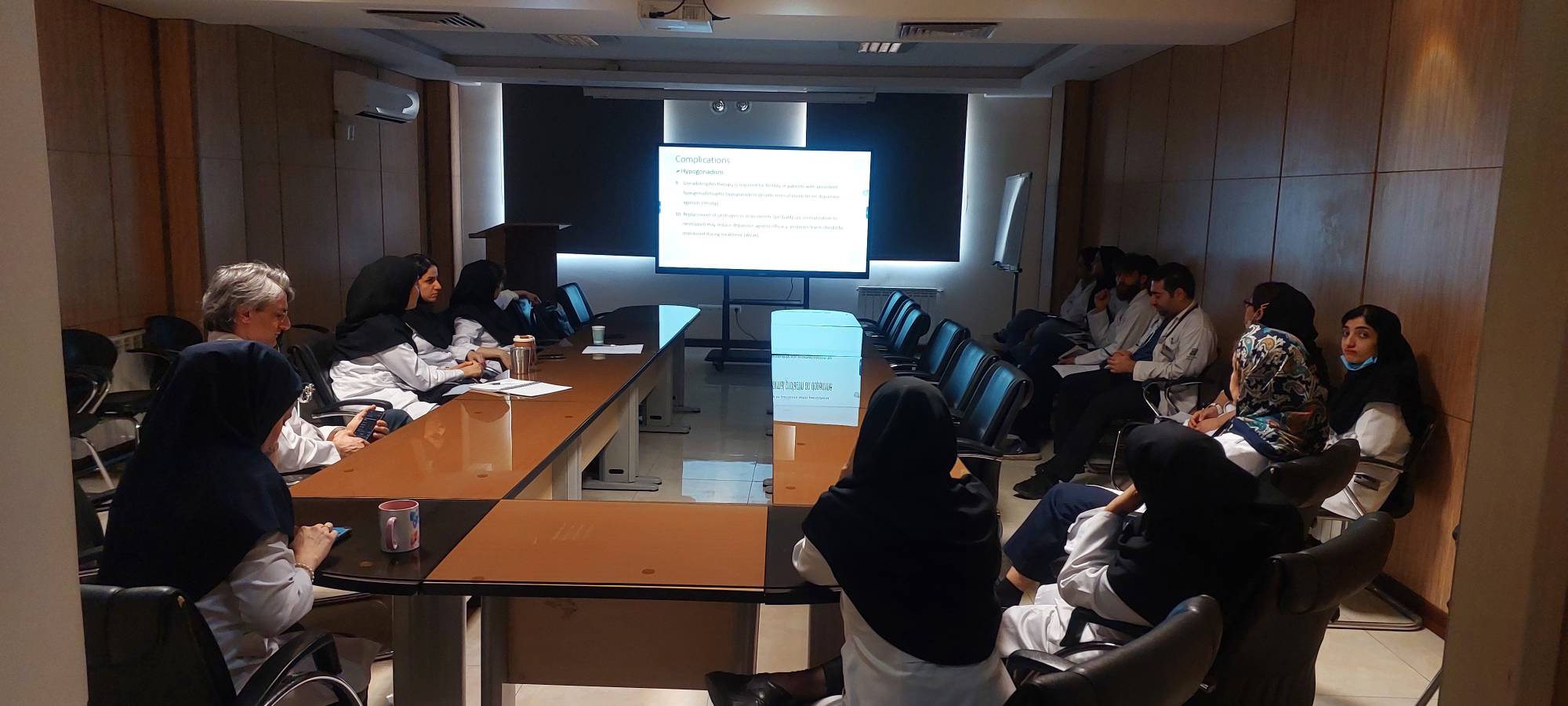
According to the Public Relations Office of the Endocrinology and Metabolism Research Institute of Iran University of Medical Sciences, the monthly thyroid conference was held on Sunday, September 6, 2026 (15 Shahrivar 1405), in the institute's conference hall. The event was attended by a group of professors, faculty members, specialists from otolaryngology, nuclear medicine, general surgery, and pathology departments, as well as residents and medical students.
During this scientific session, Dr. Naghmeh Habibi, a fellow of endocrinology and metabolism, presented two complex clinical cases and discussed diagnostic and therapeutic approaches.
Case 1: Bone Metastasis of Follicular Thyroid Carcinoma (FTC)Dr. Habibi presented the case of a 60‑year‑old male with a history of papillary thyroid carcinoma (PTC) and total thyroidectomy in 2020 (1399), as well as transitional cell carcinoma of the bladder and a mesocolic neuroendocrine tumor. The patient presented with a sacral mass, and biopsy revealed metastatic follicular thyroid carcinoma.
Referring to laboratory findings (Tg >50,000 and Anti‑Tg <1 in May 2025) and imaging, she discussed the optimal treatment strategy. Dr. Habibi emphasized: "Follicular thyroid carcinoma is defined by capsular and/or vascular invasion and commonly spreads hematogenously to the lungs and bones. In this patient with a destructive bone metastasis, a multimodal approach should be considered, including:
-
External beam radiotherapy (EBRT) for pain control and local disease management,
-
Radioactive iodine (RAI) if the metastasis is iodine‑avid,
-
Bone‑targeted agents such as zoledronic acid or denosumab to reduce skeletal‑related events,
-
Surgical consultation if there is neurologic compression or mechanical instability,
-
And in cases of RAI‑refractory disease, systemic therapies like lenvatinib or sorafenib."
Case 2: Synchronous Medullary and Papillary Thyroid Carcinoma (MTC+PTC)In the second case, Dr. Habibi discussed a 54‑year‑old woman who was incidentally found to have a thyroid nodule on ultrasound. Initial FNA of the nodule and lymph nodes suggested PTC, but final pathology after total thyroidectomy and lymph node dissection revealed synchronous medullary thyroid carcinoma (MTC) in the left lobe and lymph nodes, and papillary thyroid carcinoma (PTC) in the right lobe.
Highlighting the importance of pathological distinction and immunohistochemistry (IHC), she stated: "MTC is characterized by positivity for calcitonin, CEA, chromogranin, and synaptophysin, and negativity for thyroglobulin, whereas PTC is positive for thyroglobulin, TTF‑1, and PAX8. In this patient, management is primarily driven by the MTC component, as this tumor has a higher propensity for lymph node involvement and determines prognosis."
Dr. Habibi added: "After surgery, serial measurement of basal calcitonin and CEA guides further decisions. Germline RET testing is mandatory for all MTC patients, and pheochromocytoma and hyperparathyroidism should be evaluated if MEN2 is suspected. RAI has no role in MTC, unless the PTC component independently meets criteria for its use."
She concluded by emphasizing the importance of long‑term surveillance with biochemical markers and imaging, as well as an individualized approach based on biochemical response and structural disease.


.jpg)

comment