
Three Complex Cases of Papillary Thyroid Cancer Discussed at the Monthly Thyroid Conference of the Research Institute
The monthly Thyroid Conference of the Endocrine Research Institute was held on Monday, August 5, 2026, featuring three challenging clinical cases of patients with Papillary Thyroid Cancer (PTC) with pulmonary metastases and recurrent disease, presented by Dr. Naghme Habibi, an endocrinology subspecialist. The session covered the latest diagnostic and therapeutic approaches, including radioactive iodine therapy, re-operation, targeted therapies such as Lenvatinib, and the importance of a multidisciplinary approach in managing these conditions.
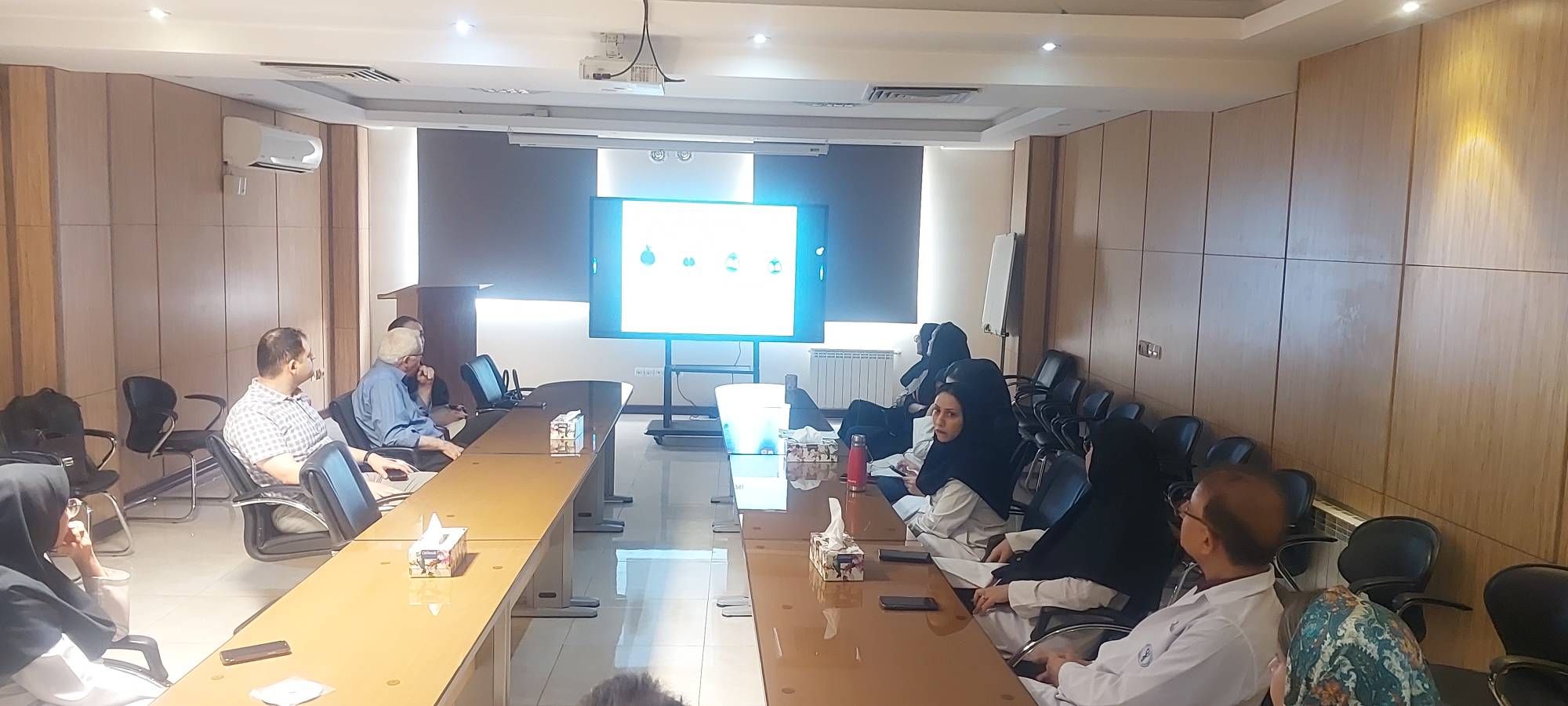
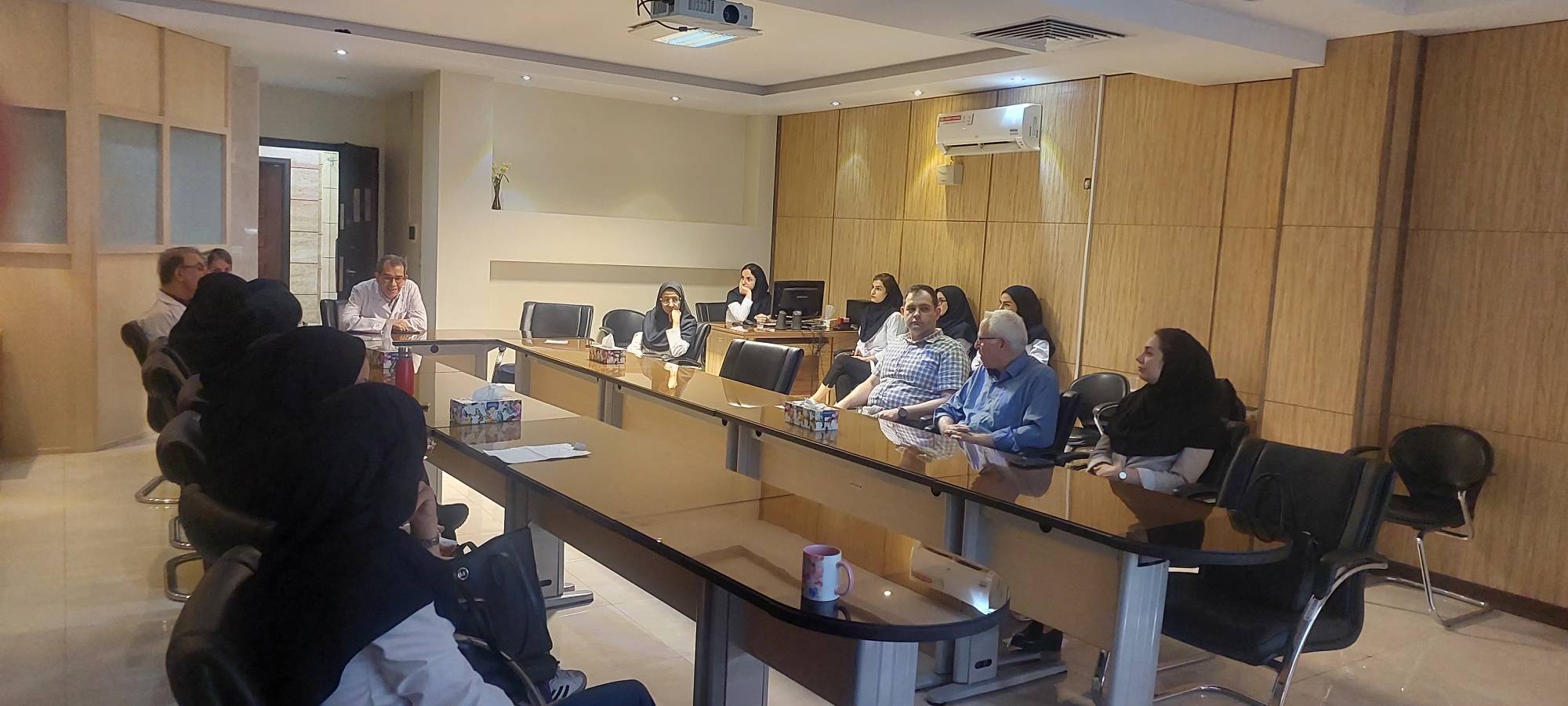
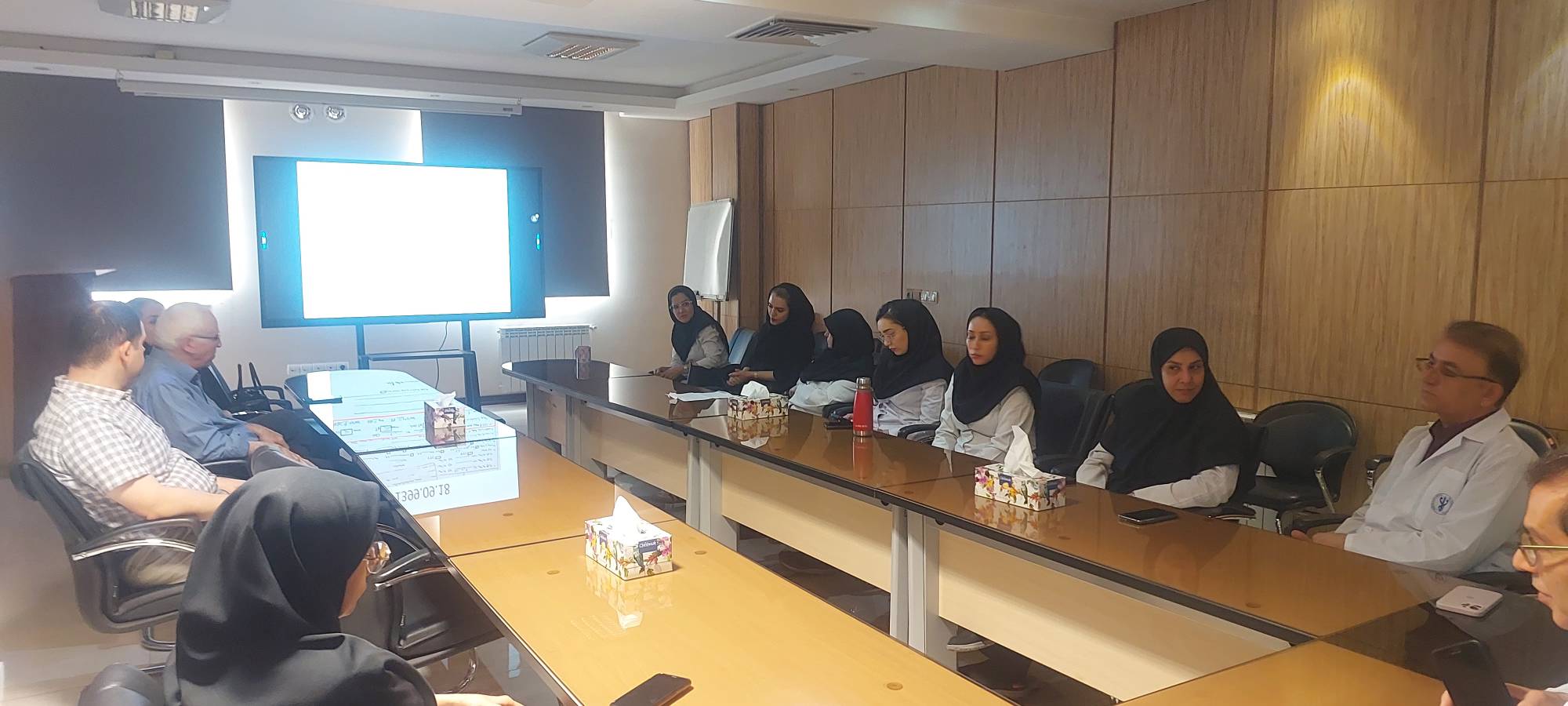
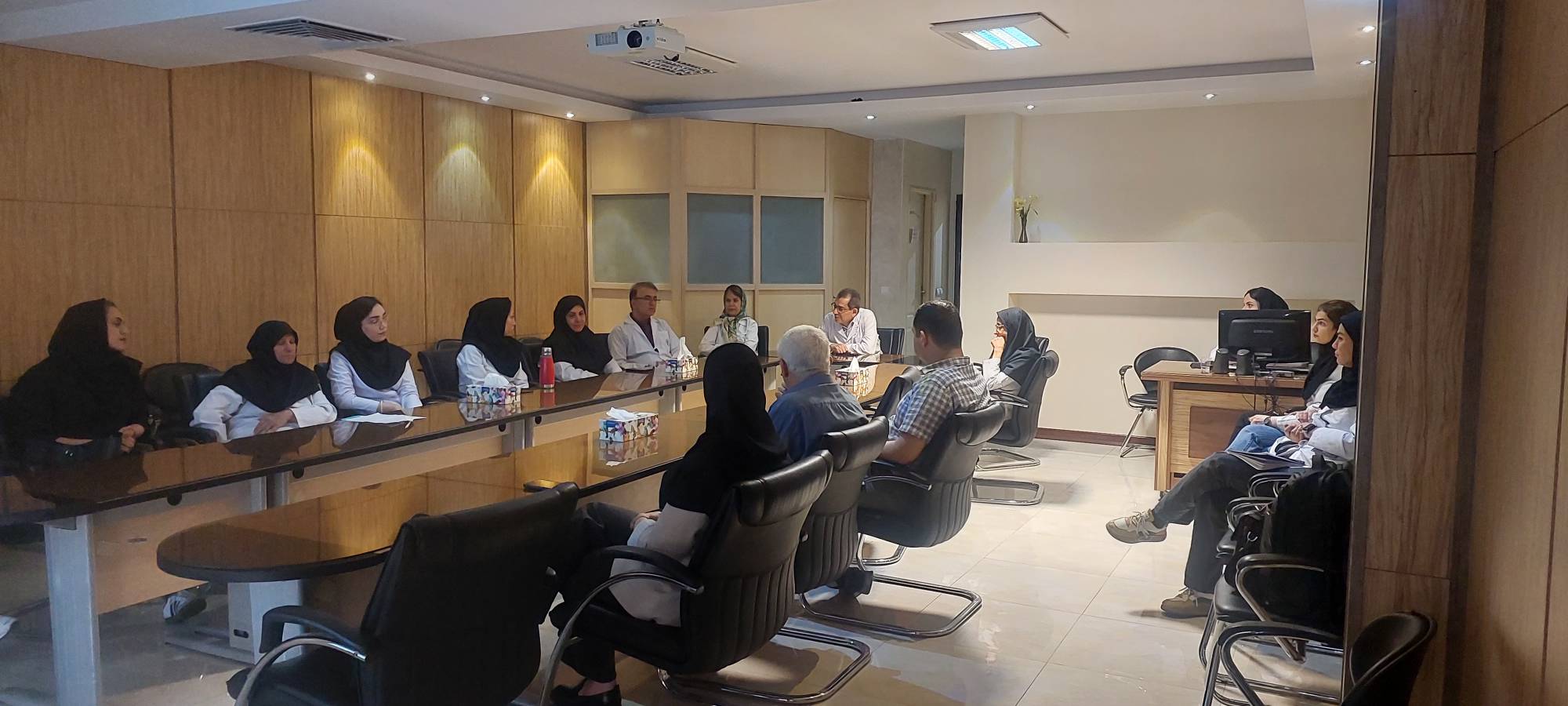
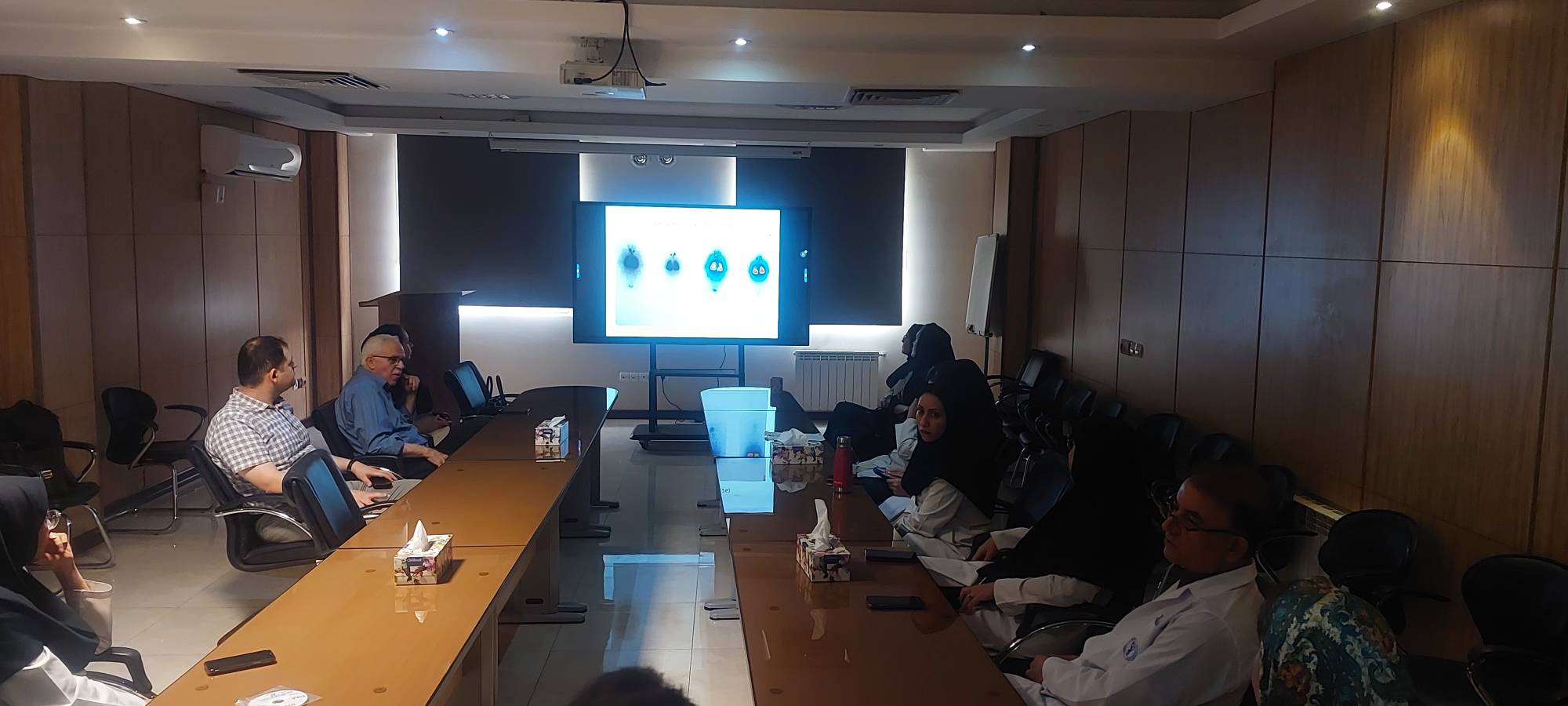
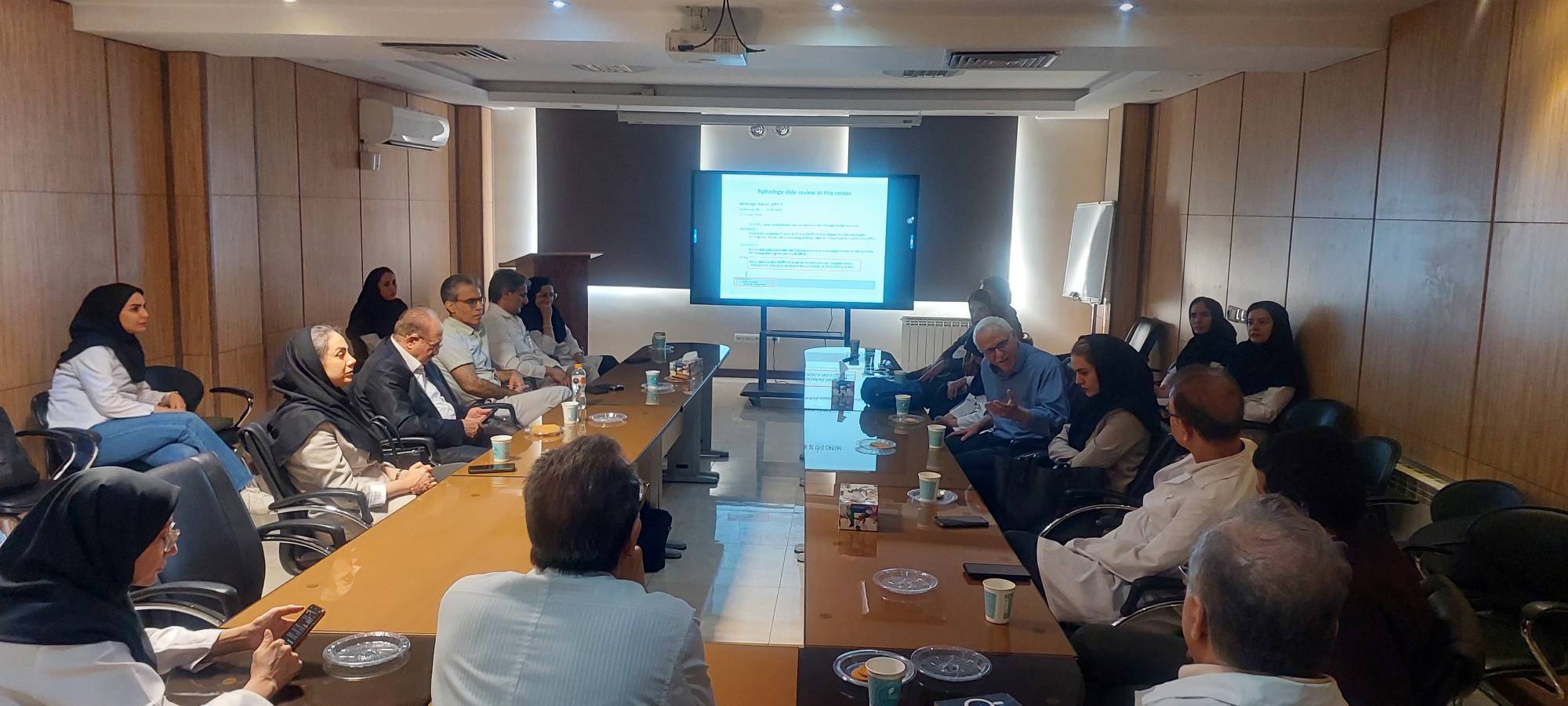
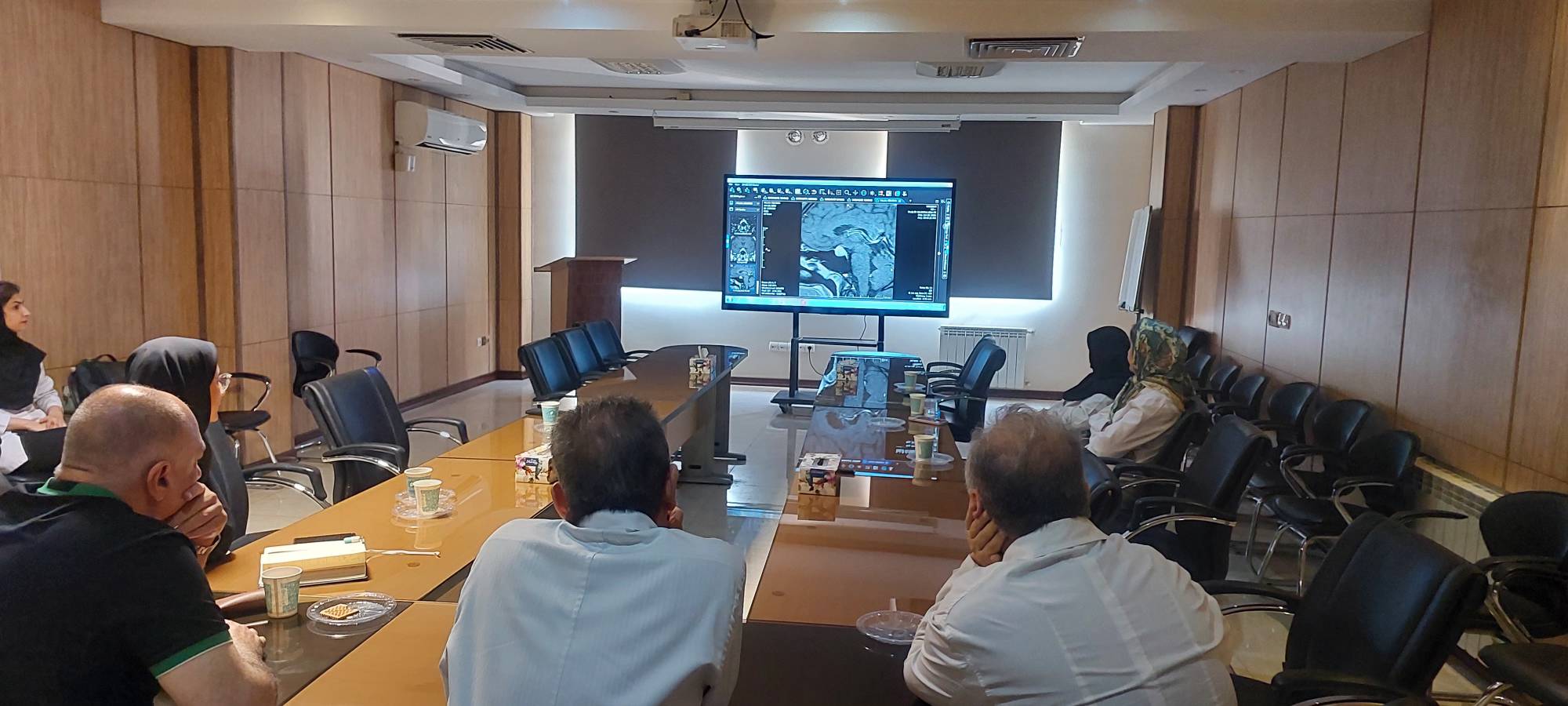
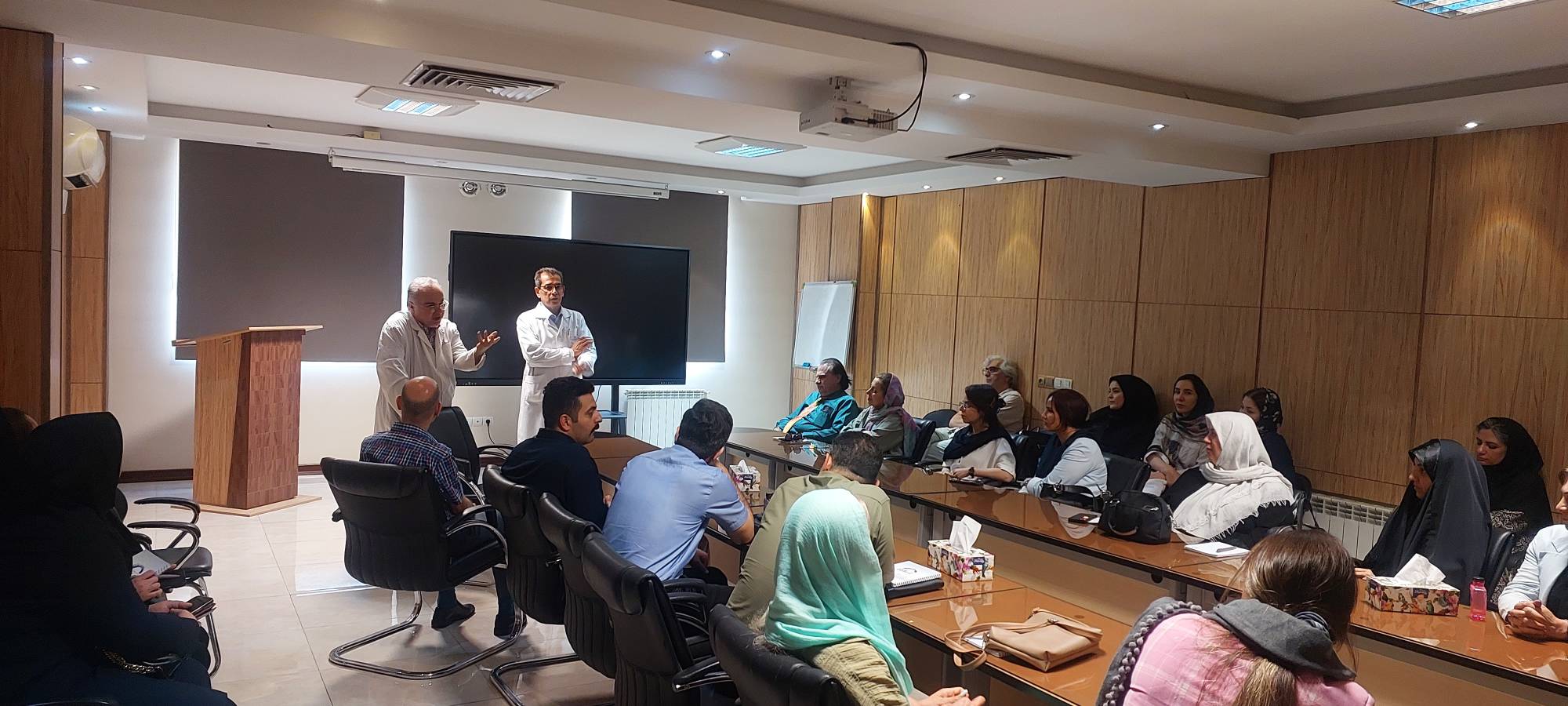
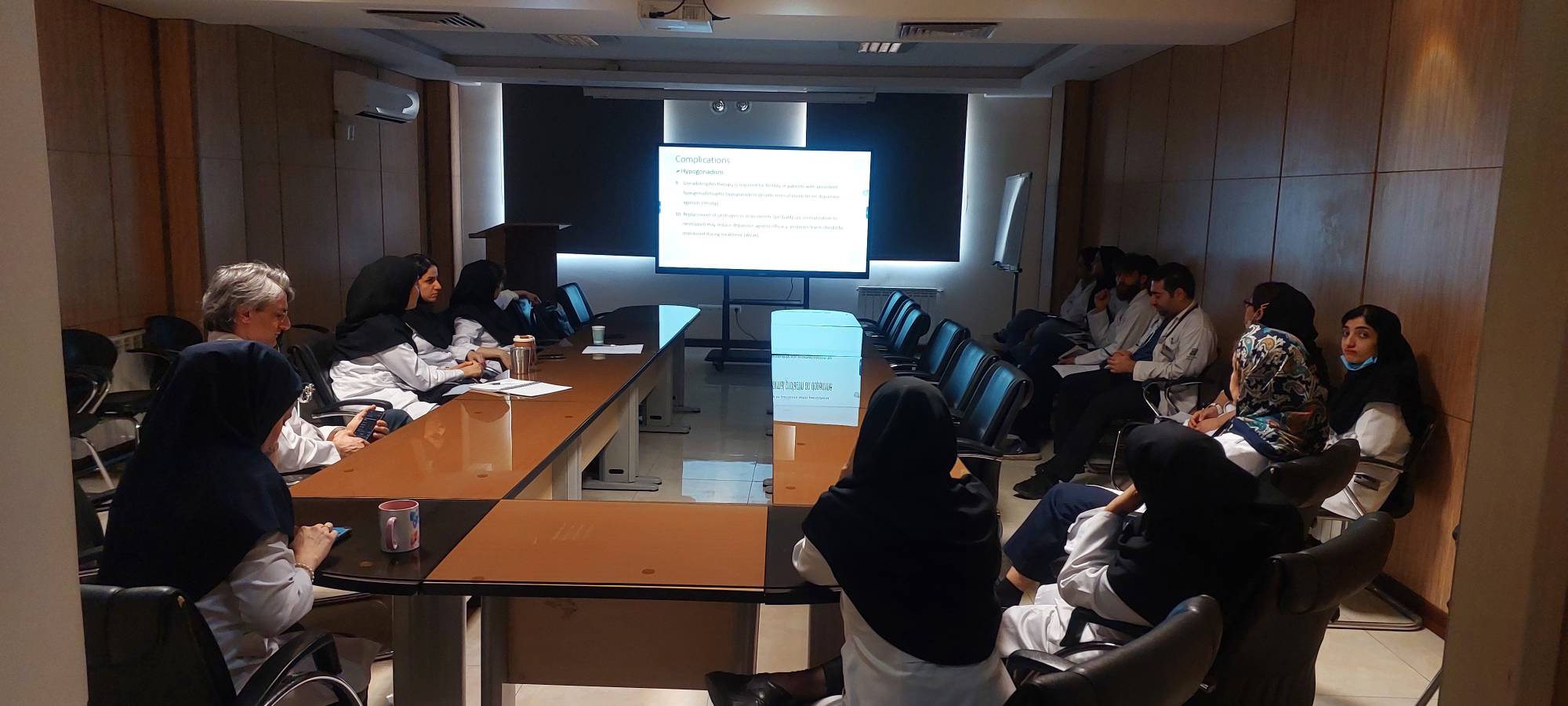
According to the Public Relations Office of the Endocrine Research Institute of Iran University of Medical Sciences, the monthly Thyroid Conference was held on Monday, August 2, 2026, in the institute's conference hall. The session was attended by a group of professors, faculty members, specialists from otolaryngology, nuclear medicine, general surgery, and pathology departments, as well as residents and students.
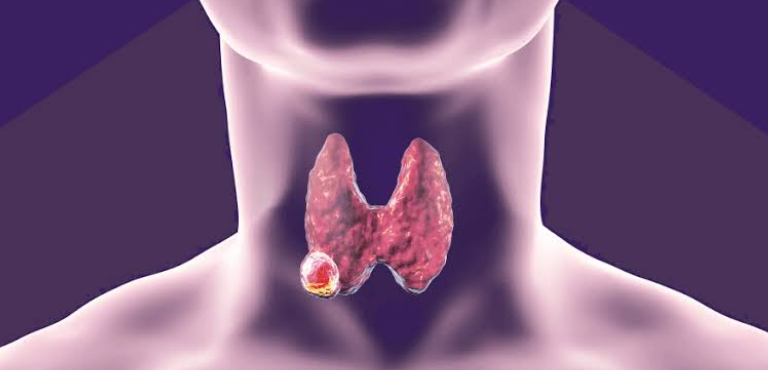
In this scientific session, Dr. Naghme Habibi, an endocrinology and metabolism subspecialist, presented three complex clinical cases of patients with Papillary Thyroid Cancer (PTC). According to the latest guidelines of the American Thyroid Association (ATA), papillary carcinoma is the most common type of thyroid cancer, generally characterized by slow growth and a favorable prognosis; however, it can metastasize to cervical lymph nodes and distant organs such as the lungs.
Review of Clinical Cases and Therapeutic Strategies
Dr. Habibi began by discussing two patients with PTC and pulmonary metastases. The first case was a 28-year-old woman who presented with dyspnea and cough, and the second case was a 72-year-old man with a long history of disease and prior cardiac surgery. Imaging and pathology findings in both patients confirmed pulmonary involvement. The third case involved a patient with a 14-year history of PTC and local recurrence in the cervical lymph nodes.
During the session, treatment strategies tailored to the disease status—classified as "RAI-Avid" (iodine-avid) or "RAI-Refractory" (resistant to radioactive iodine)—were discussed in detail. It was emphasized that in patients with iodine-avid lesions, particularly in cases of micronodular pulmonary metastases, radioactive iodine (RAI) therapy remains an effective treatment option.
However, it was stressed that in patients with RAI-refractory disease who have clinically progressive or symptomatic disease, initiation of systemic therapy is necessary. In this context, Lenvatinib was introduced as a preferred first-line option for treating radioactive iodine-refractory differentiated thyroid cancer. Based on the SELECT trial results, Lenvatinib significantly improves progression-free survival. The critical role of molecular testing in identifying actionable mutations such as RET and NTRK for more specific targeted therapies was also emphasized.
Management of Recurrence and the Importance of Long-Term Follow-Up
Regarding the third patient with local recurrence, various treatment options were reviewed, including re-operation (as the treatment of choice for resectable lesions), radioactive iodine therapy (if iodine-avid), and alternative methods such as radiofrequency ablation (RFA). The attending professors stressed the importance of individualized treatment based on the extent of disease, tumor growth rate, patient factors, and preferences. They also underscored the necessity of long-term follow-up for thyroid cancer patients due to the possibility of recurrence even years after initial treatment, using serial thyroglobulin (Tg) measurements and regular ultrasound examinations.
At the conclusion of the session, the importance of a multidisciplinary approach and close collaboration among endocrinologists, surgeons, nuclear medicine specialists, and pathologists in the optimal management of these patients was emphasized.
Let me know if you need a shorter version, a more formal/academic tone, or a version formatted for a specific platform (e.g., social media, email, or journal).


.jpg)

comment