
Weekly Conference of the Endocrine Research Center Focuses on Hirsutism and Its Clinical and Psychosocial Impact
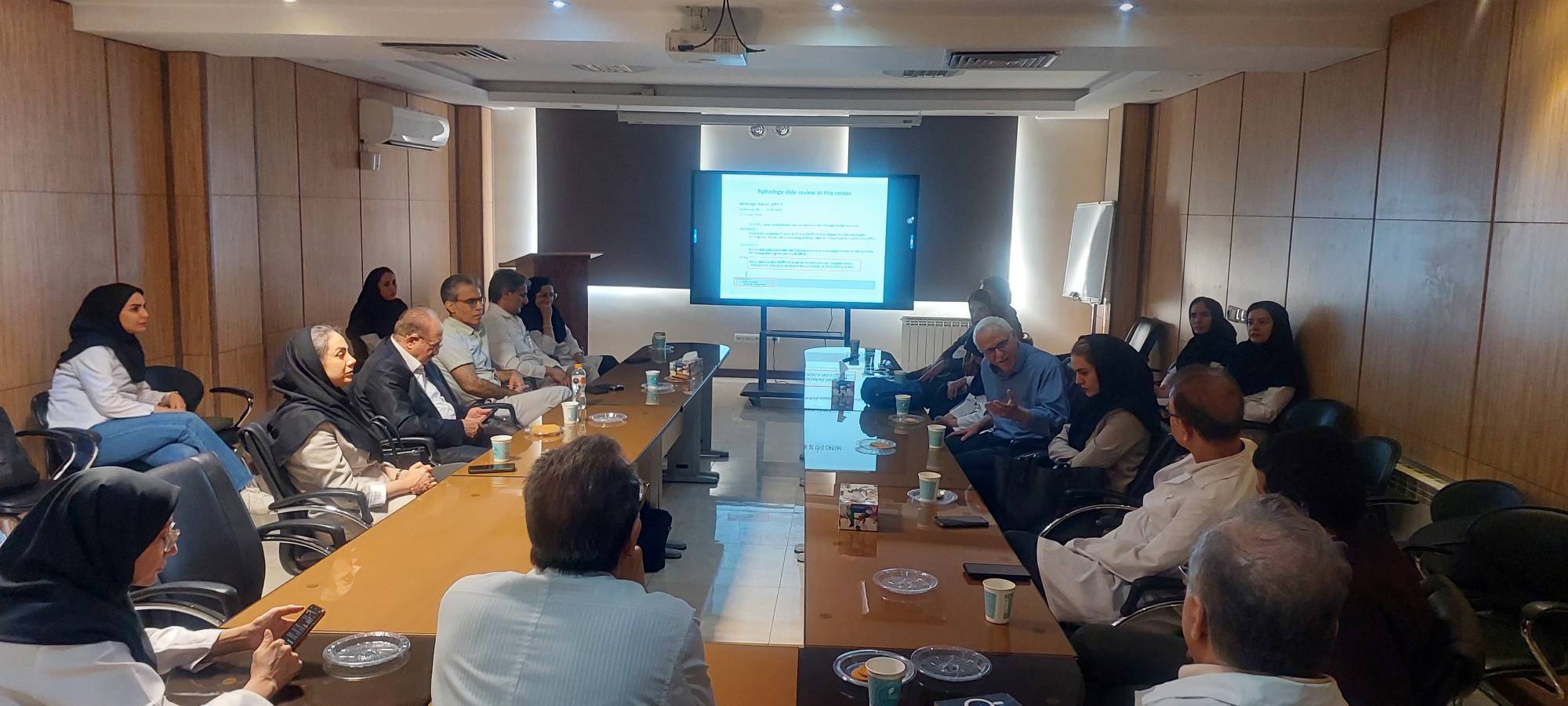
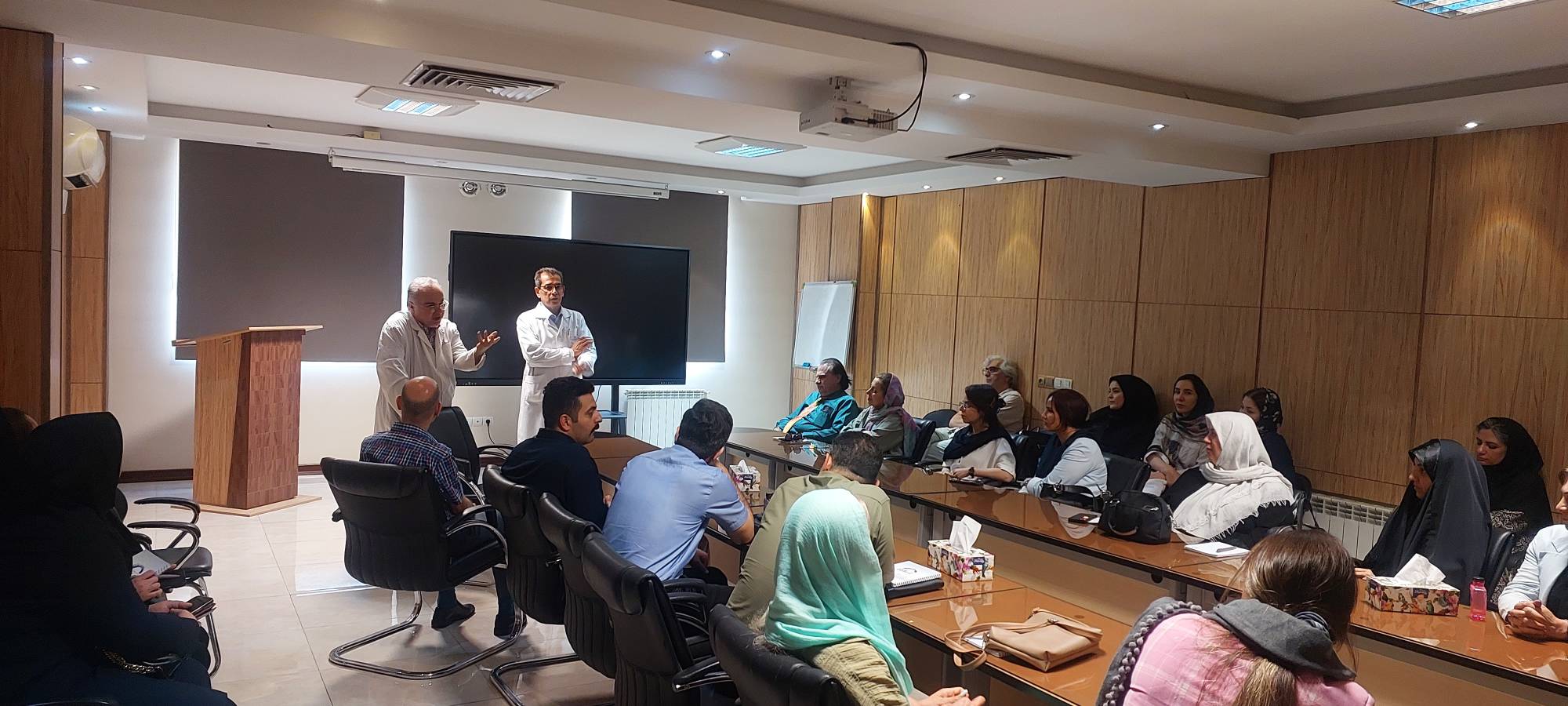
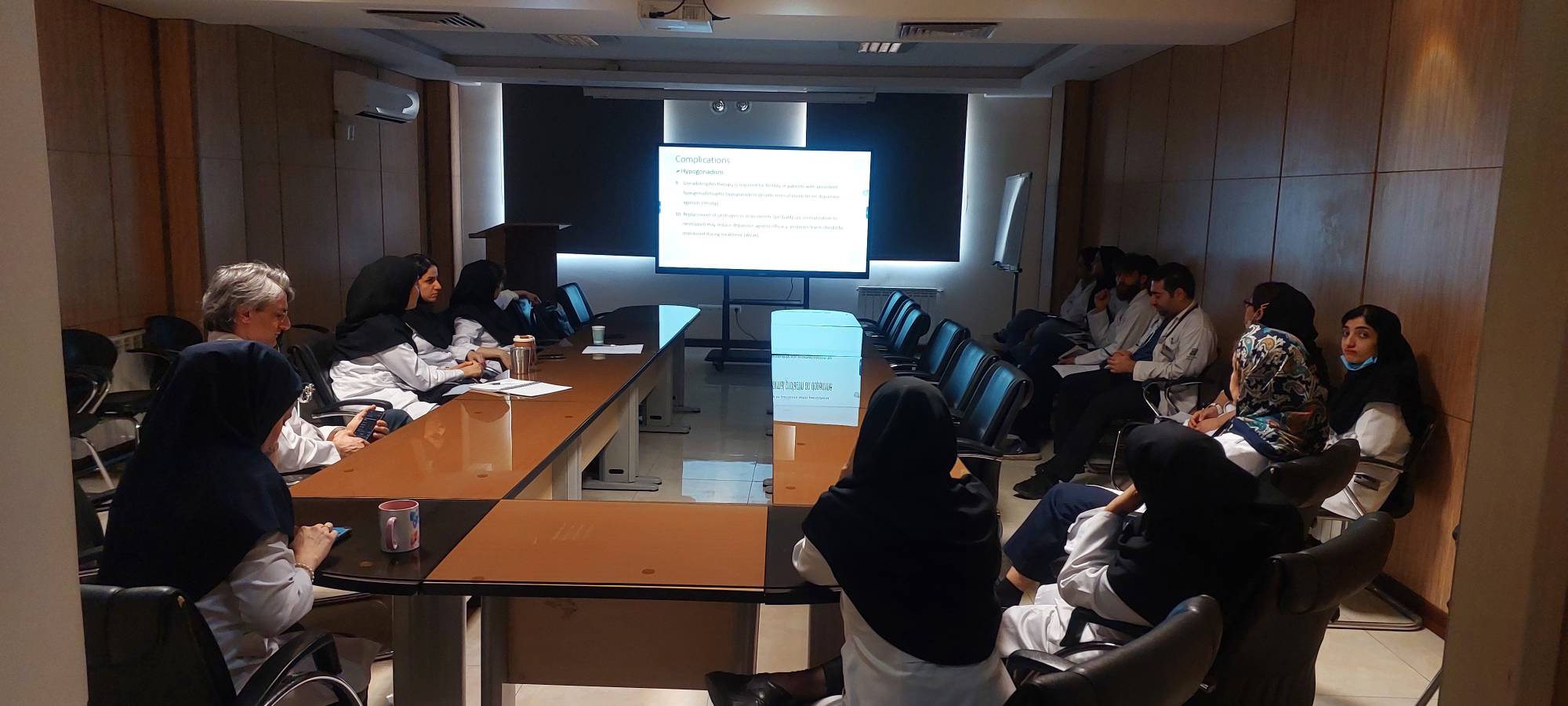
The weekly conference of the Endocrine Research Center was held on Sunday, September 13, 2026, with the participation of faculty members and students. The scientific presentation was delivered by Dr. Naghmeh Habibi, an endocrinology and metabolism subspecialty fellow, and focused on hirsutism, its clinical significance, underlying causes, diagnostic evaluation, and its psychological and social effects on women’s quality of life.
The weekly conference of the Endocrine Research Center was held on Sunday, September 13, 2026, with the participation of faculty members and students. During the session, Dr. Naghmeh Habibi, an endocrinology and metabolism subspecialty fellow, presented a scientific discussion entitled “Hirsutism: Clinical and Psychosocial Significance.”
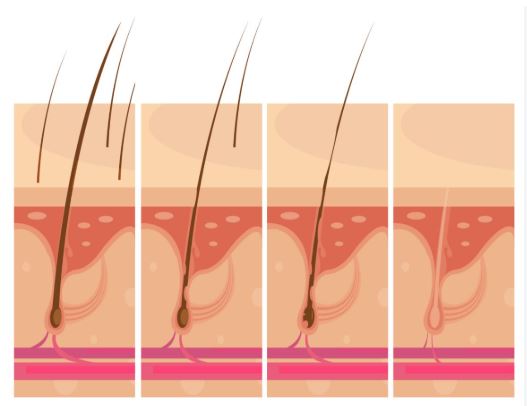
Hirsutism is not considered a disease in itself but rather a clinical manifestation of androgen-dependent excessive terminal hair growth in a male-pattern distribution in women, particularly on the face, chest, abdomen, and back. The condition may result from increased androgen production or action, genetic predisposition and increased follicular sensitivity, as well as metabolic and environmental factors.
The presentation highlighted the considerable psychosocial impact of hirsutism. In addition to its physical manifestations, excessive hair growth can negatively affect self-esteem and body image and may lead to social stigma, anxiety, depression, and a reduced quality of life.
The importance of appropriate clinical evaluation was also emphasized. Hirsutism may be the first manifestation of an underlying endocrine disorder. Polycystic ovary syndrome (PCOS) is among the most common causes, while other possible causes include adrenal disorders, medication-related androgen excess, and, less commonly, androgen-secreting ovarian or adrenal tumors. Timely evaluation is particularly important when the symptoms develop rapidly or are accompanied by signs of virilization, as rare but serious conditions such as adrenal carcinoma may present in this manner.
The presentation also addressed the assessment of hirsutism severity using the modified Ferriman–Gallwey (mFG) score. According to the classification presented, scores of 8–15 indicate mild hirsutism, 16–25 moderate hirsutism, and scores above 25 severe hirsutism.
According to the presented material, hirsutism affects approximately 5–15% of women of reproductive age worldwide. Its prevalence varies depending on the population, diagnostic criteria, and cultural factors. Higher reported rates have been observed in Mediterranean, Middle Eastern, European, and South Asian populations. The use of ethnicity-specific mFG cutoffs may improve diagnostic accuracy.
A significant part of the presentation focused on the diagnostic approach. A detailed medical history should include the onset and progression of hair growth, menstrual irregularities, family history, medication use, and symptoms of hyperandrogenism and psychological distress. Physical examination should assess the mFG score as well as acne, seborrhea, androgenetic alopecia, virilization, body mass index, blood pressure, acanthosis nigricans, and striae.
Laboratory evaluation may include total testosterone, with free testosterone or the free androgen index when appropriate, as well as sex hormone-binding globulin (SHBG), DHEA-S, and 17-hydroxyprogesterone. Additional tests, including prolactin, β-hCG, or dexamethasone suppression testing, may be considered when clinically indicated. Pelvic ultrasonography and adrenal or ovarian imaging may also be required in selected patients, particularly when rapid progression or virilization raises concern for an androgen-secreting tumor.
PCOS was presented as one of the major causes of hirsutism. The presentation noted its association with insulin resistance, hyperinsulinemia, and obesity. According to the Rotterdam criteria, PCOS is diagnosed after excluding alternative causes when two of the following three features are present: oligo/anovulation, clinical or biochemical hyperandrogenism, and polycystic ovarian morphology.
Other causes discussed included idiopathic hyperandrogenemia, idiopathic hirsutism, nonclassic congenital adrenal hyperplasia caused by partial 21-hydroxylase deficiency, severe insulin-resistance syndromes, androgen-secreting tumors, hyperprolactinemia, thyroid disorders, acromegaly, Cushing syndrome, and drug-induced hirsutism.
The presentation also reviewed treatment options. Management should be individualized, with medical treatment serving as the main approach and cosmetic procedures used as complementary measures. Since hirsutism is generally a chronic condition, treatment is aimed at controlling the manifestations rather than providing an immediate cure, and clinical improvement may take six months or longer.
Combined estrogen-progestin oral contraceptives were presented as a first-line medical treatment, particularly in women with irregular menstruation, acne, or a need for contraception. Antiandrogen medications such as spironolactone and finasteride may be used in appropriate patients, while their potential adverse effects and the need for reliable contraception because of teratogenic risks should be considered. Flutamide is generally not routinely recommended because of the risk of severe hepatotoxicity.
The role of metformin was also discussed. Although it is not considered a primary treatment for hirsutism itself, it may be beneficial in women with PCOS, particularly in the presence of obesity, insulin resistance, or dysglycemia.
Finally, cosmetic and hair-removal methods, including shaving, waxing, depilatory methods, electrolysis, laser, and intense pulsed light (IPL), were reviewed. Because hair may regrow in the presence of persistent hyperandrogenism, combining hair-removal procedures with appropriate medical management may help reduce recurrence.
The presentation emphasized that proper evaluation and individualized treatment of hirsutism are important not only for controlling its physical manifestations but also for addressing its psychological and social consequences and improving patients’ overall quality of life.


.jpg)

comment