
Physician Empowerment Training Workshop on Comprehensive Type 2 Diabetes Care Held at the Endocrinology Research Institute
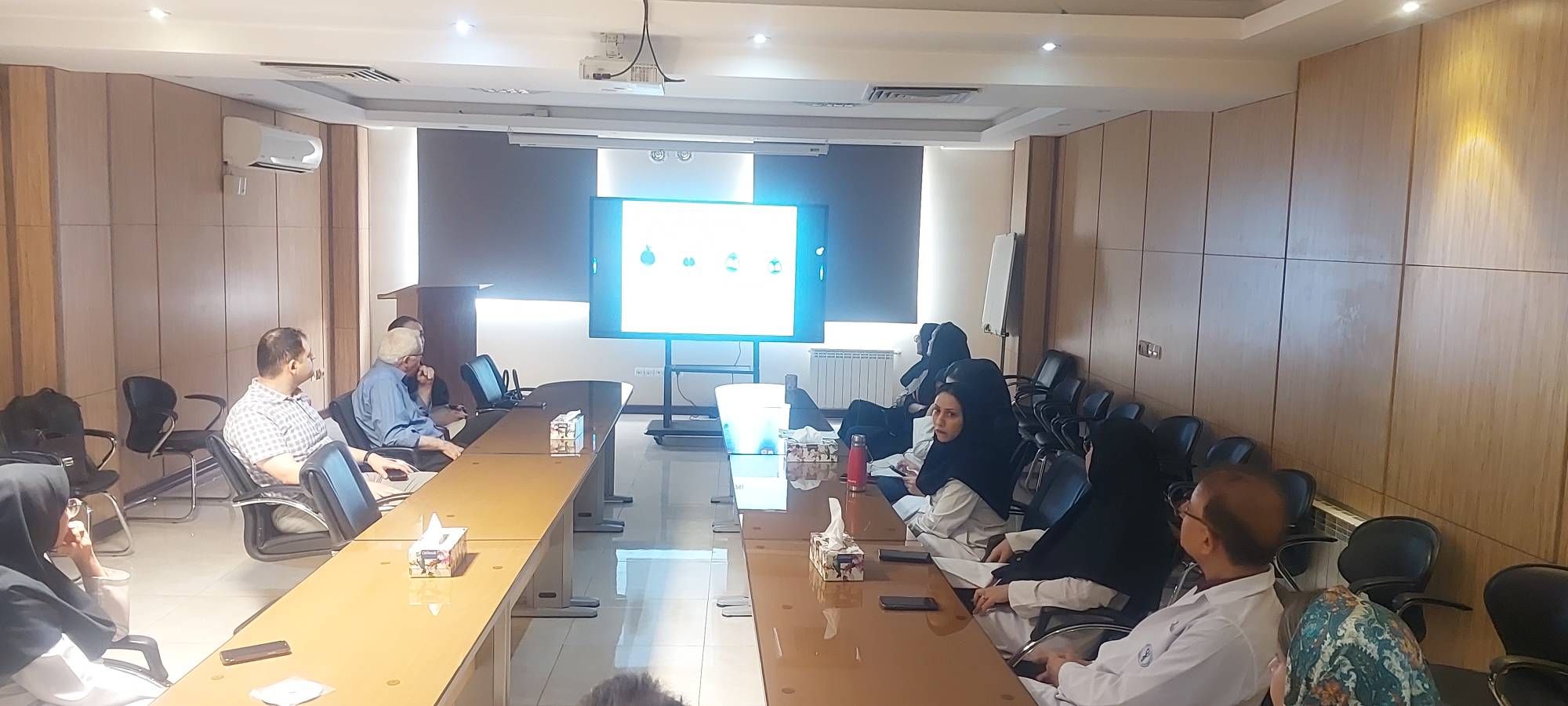
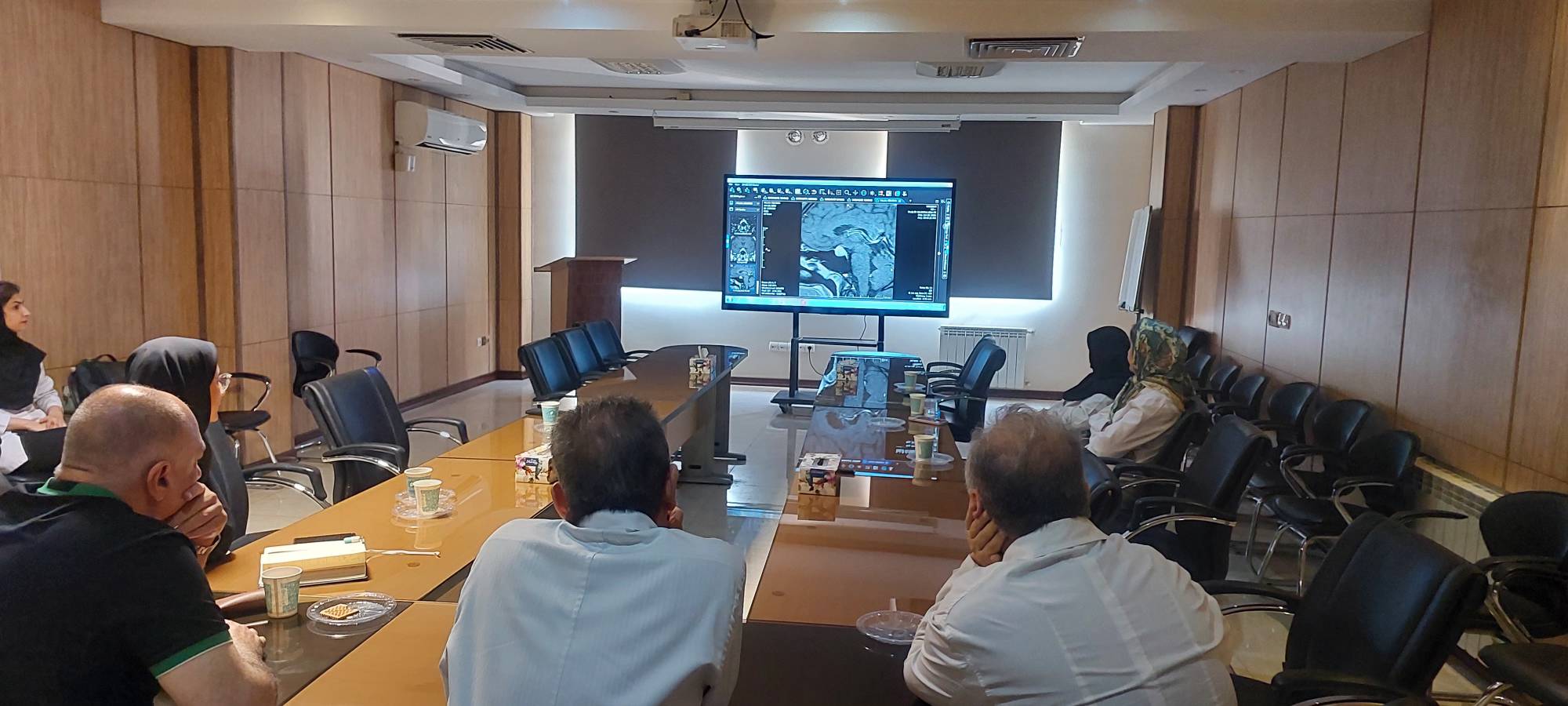
A two-day training and empowerment workshop for physicians on the diagnosis, treatment, and comprehensive care of patients with type 2 diabetes was held on July 10-11, 2025, at the Endocrinology and Metabolism Research Institute. The workshop, attended by a group of general practitioners and specialists, provided participants with an update on the latest 2025 American Diabetes Association (ADA) treatment guidelines, alongside practical training on comprehensive diabetic patient visits, standard foot examination, and diabetic retinopathy screening at the institute's outpatient clinic. Faculty members emphasized the importance of timely screening for neuropathy, peripheral arterial disease, and retinopathy, as well as novel pharmacological approaches including SGLT2 inhibitors and GLP-1 receptor agonists in reducing cardiovascular and renal event risks.

According to the Public Relations Correspondent of the Endocrinology and Metabolism Research Institute, a two-day training and empowerment workshop for physicians on the diagnosis, treatment, and comprehensive care of patients with type 2 diabetes was held on July 10-11, 2026, at the institute's conference hall. This educational workshop was organized with the aim of enhancing the knowledge and practical skills of physicians in the comprehensive management of diabetic patients and was attended by a group of general practitioners and specialists.
On the first day of the workshop, Dr. Mohammad Ebrahim Khamseh, faculty member and endocrinologist specializing in endocrinology and metabolism, and Director of the Research Institute, presented the latest 2025 American Diabetes Association (ADA) guidelines on pharmacological treatment of type 2 diabetes. Reviewing novel therapeutic approaches, he emphasized the importance of a person-centered approach in determining glycemic targets and stated: The selection of HbA1c treatment goals should be based on individual factors such as the patient's age, diabetes duration, hypoglycemia risk, comorbidities, and the presence of cardiovascular complications, and treatment should be dynamically adjusted according to the patient's condition with shared decision-making.
Dr. Khamseh, referring to the decision cycle for glycemic management in type 2 diabetes, added: To avoid therapeutic inertia, the patient's status should be reassessed every 3 to 6 months and the treatment regimen modified if necessary. Furthermore, in patients at high cardiovascular and renal risk, the use of agents with protective effects such as SGLT2 inhibitors and GLP-1 receptor agonists should be prioritized.
Subsequently, Dr. Mojtaba Malek, endocrinologist and faculty member of the institute, elaborated on the mechanisms of action and administration of various anti-diabetic medications, emphasizing the importance of renal function in drug selection and dosing. Regarding metformin as the first-line therapy for type 2 diabetes, he stated: Metformin is initiated at a dose of 500 mg/day with gradual titration up to a maximum of 1500-2000 mg/day, and in patients with impaired renal function, the dose should be adjusted based on eGFR levels.
Referring to newer agents such as SGLT2 inhibitors, Dr. Malek stated: In addition to glycemic control, these drugs, by reducing glucose reabsorption in the kidney and inducing osmotic diuresis, have beneficial effects on weight loss, blood pressure reduction, and decreasing the risk of chronic kidney disease progression and heart failure. Empagliflozin, canagliflozin, and dapagliflozin are among the drugs in this class that have demonstrated significant reductions in cardiovascular and renal events in large-scale trials, and they are usable in patients with eGFR above 20.
In another segment of the workshop, Dr. Nahid Hashemi Madani, endocrinologist and faculty member of the institute, addressed diabetic foot care and retinopathy screening. Emphasizing that all patients with type 2 diabetes should be screened for diabetic neuropathy at the time of diagnosis and patients with type 1 diabetes 5 years after diagnosis, she stated: Neuropathy screening includes careful skin inspection for ulcers or pre-ulcerative lesions, assessment of foot deformities, and evaluation of loss of protective sensation using a 10-g monofilament along with at least one other assessment such as pinprick sensation, temperature sensation, vibration testing with a 128-Hz tuning fork, or ankle reflexes.
Dr. Hashemi Madani, referring to the importance of peripheral arterial disease screening, added: All diabetic patients over 50 years of age, as well as those under 50 with diabetes and at least one additional cardiovascular risk factor, should be screened for peripheral arterial disease. The ankle-brachial index (ABI) is a simple and non-invasive method for diagnosing this condition, with values of 0.9 or less indicating peripheral arterial disease. In patients with medial arterial calcification who have falsely elevated ABI, the toe-brachial index (TBI) is recommended.
She then addressed risk factor management in patients with peripheral arterial disease and stated: Smoking cessation, use of high-dose statins to reduce LDL to below 55 mg/dL, strict glycemic control targeting HbA1c below 7%, blood pressure control below 130/80 mmHg, and administration of antiplatelet agents such as aspirin or clopidogrel in symptomatic patients are the mainstays of treatment. Additionally, cilostazol is recommended as an effective agent for improving symptoms and increasing walking distance in patients with intermittent claudication.
In another part of the workshop, Dr. Hashemi Madani addressed diabetic retinopathy and, referring to the alarming prevalence of this complication, stated: Diabetic retinopathy remains one of the leading causes of blindness in adults worldwide, while more than 90% of cases of severe vision loss from proliferative retinopathy are preventable. By sharing a real patient story of someone who lost their vision due to lack of awareness and timely screening, she emphasized the vital role of regular eye screening in preventing blindness.
Regarding the timing of retinopathy screening initiation, she stated: Patients with type 2 diabetes should undergo comprehensive eye examination by an ophthalmologist immediately after diagnosis, and patients with type 1 diabetes 5 years after diagnosis. Furthermore, in women with diabetes who are planning pregnancy or become pregnant, eye examination is essential before conception and throughout pregnancy.
Dr. Hashemi Madani, referring to screening methods, added: Comprehensive eye examination includes visual acuity assessment and fundus examination (retina and macula). In the absence of access to an ophthalmologist, tele-retinal screening programs through fundus photography using tabletop or handheld cameras can serve as suitable alternatives. The captured images enable the detection of early lesions such as microaneurysms, hemorrhages, hard exudates, and cotton wool spots.
She then referred to the international classification of diabetic retinopathy and stated: This classification includes five clinical levels: no apparent retinopathy, mild non-proliferative retinopathy (microaneurysms only), moderate non-proliferative retinopathy, severe non-proliferative retinopathy, and proliferative retinopathy. Follow-up intervals are determined based on the level of involvement; patients with no retinopathy are followed every 12-24 months, those with mild retinopathy every 8-12 months, those with moderate retinopathy every 4-8 months, and patients with severe retinopathy, proliferative retinopathy, or macular edema should be referred immediately to an ophthalmologist.
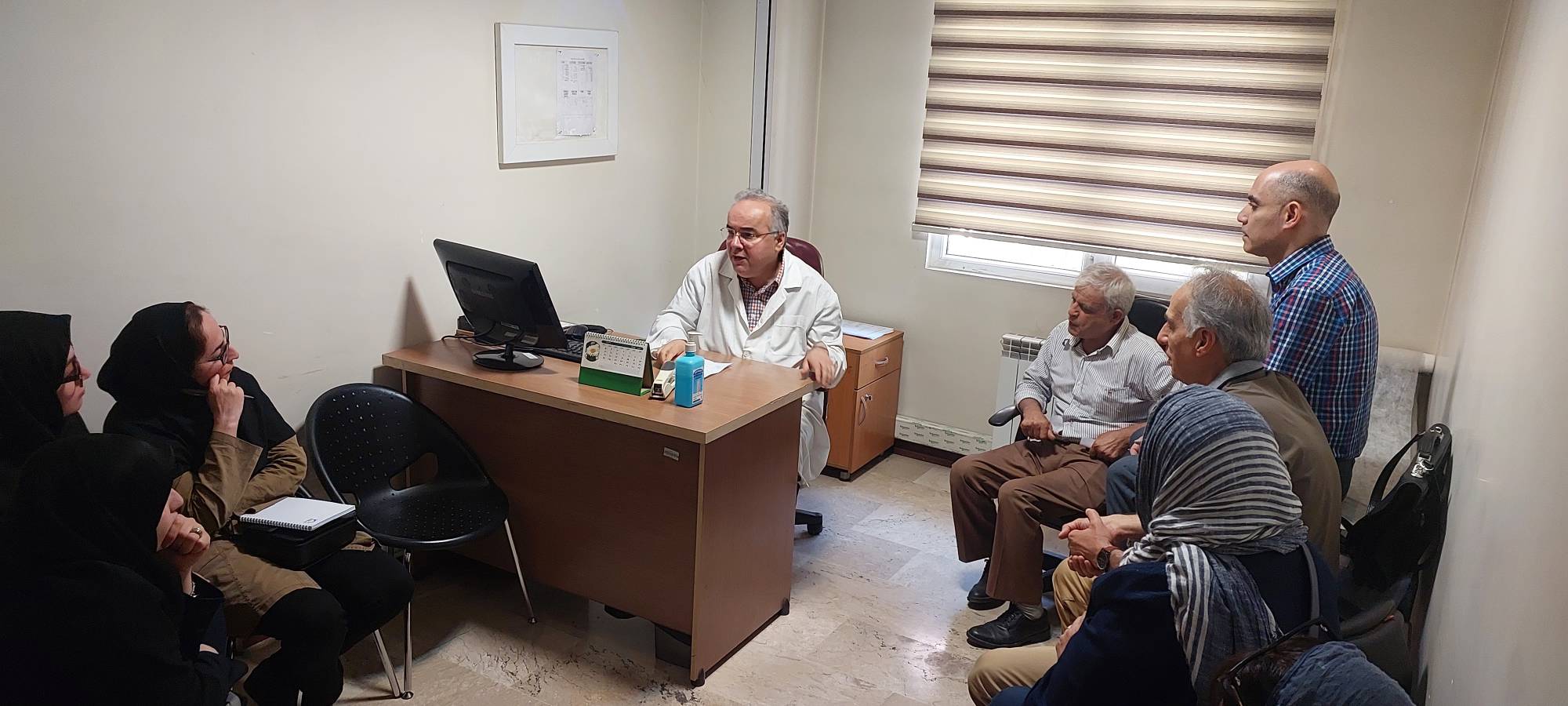
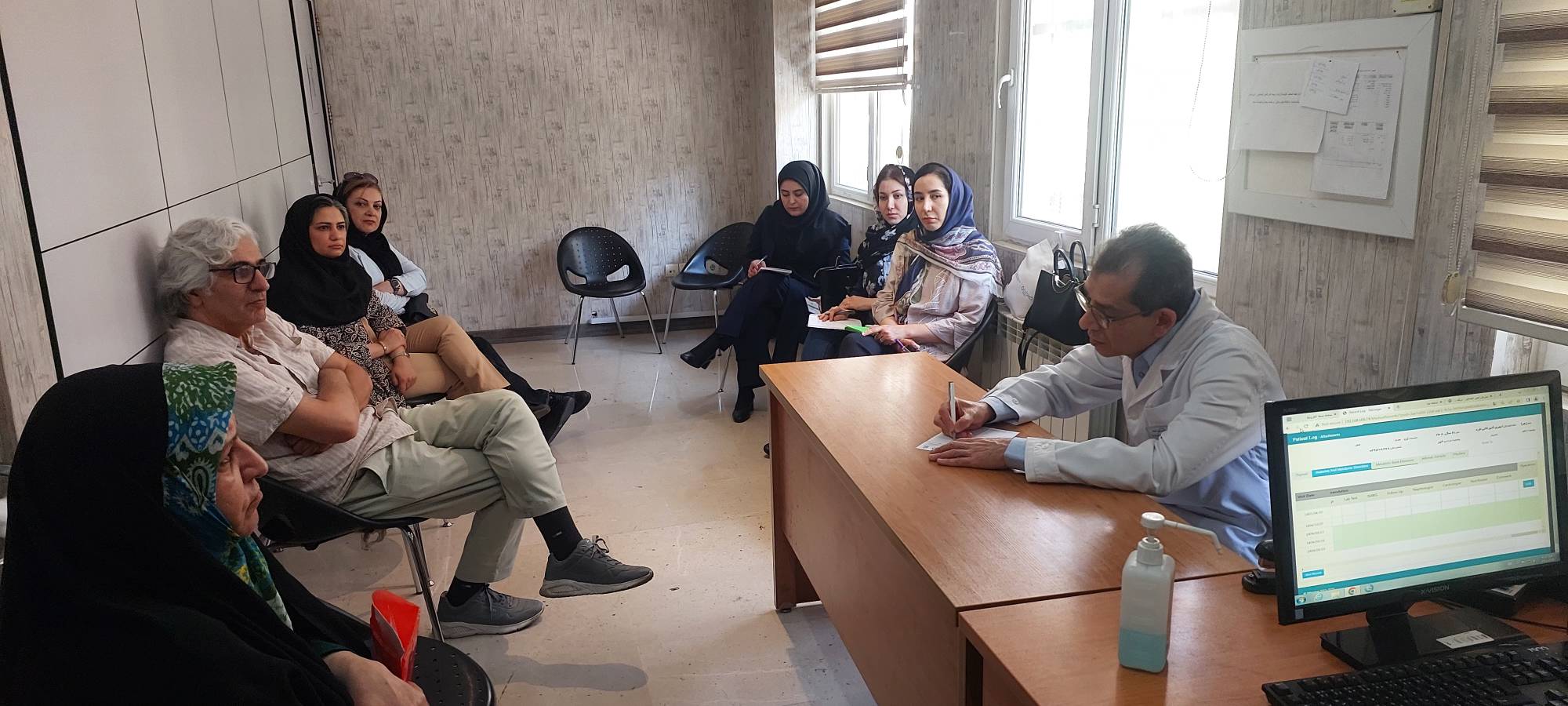
In the practical session of this workshop, participants were divided into two groups and, by attending the institute's outpatient clinic, received hands-on training on comprehensive diabetic patient visits, standard foot examination, and eye screening. Under the supervision of faculty members, physicians practiced using the 10-g monofilament, 128-Hz tuning fork, as well as interpretation of vascular Doppler ultrasound findings and fundus examination.










.jpg)


comment